Global trade depends heavily on reliable container transport. UNCTAD’s Review of Maritime Transport 2023 reports that over 80% of global merchandise trade moves by sea. Yet standard end-opening containers can create practical problems. Forklifts may struggle with long, dense cargo. Loading can also become slow when access is limited to one end.
A side opening shipping container adds a full-length access point along its long wall. This design can simplify loading pipes, timber, machinery, retail fixtures, and oversized pallets. Workers may position cargo from the side instead of reaching across the entire container. Space is valuable. A side door can reduce unnecessary handling and improve visibility during loading inspections.
The choice still requires careful planning. ISO container dimensions, door clearance, floor capacity, and CSC safety requirements must be checked before purchase or rental. The World Bank’s Logistics Performance Index 2023 highlights the importance of dependable logistics services, infrastructure, and shipment reliability. A side opening unit may support these goals, especially at warehouses with limited turning space or frequent cross-docking activity.
However, the design is not automatically better. Side doors can increase purchase costs, maintenance needs, and weather-sealing considerations. They may also reduce flexibility if the opening faces a wall or loading bay. I would not specify one for every shipment. The strongest decision comes from measuring cargo dimensions, handling equipment, loading frequency, and site conditions first. Real operating experience often reveals what a brochure misses. That small review can prevent expensive repositioning, damaged goods, and avoidable loading delays.
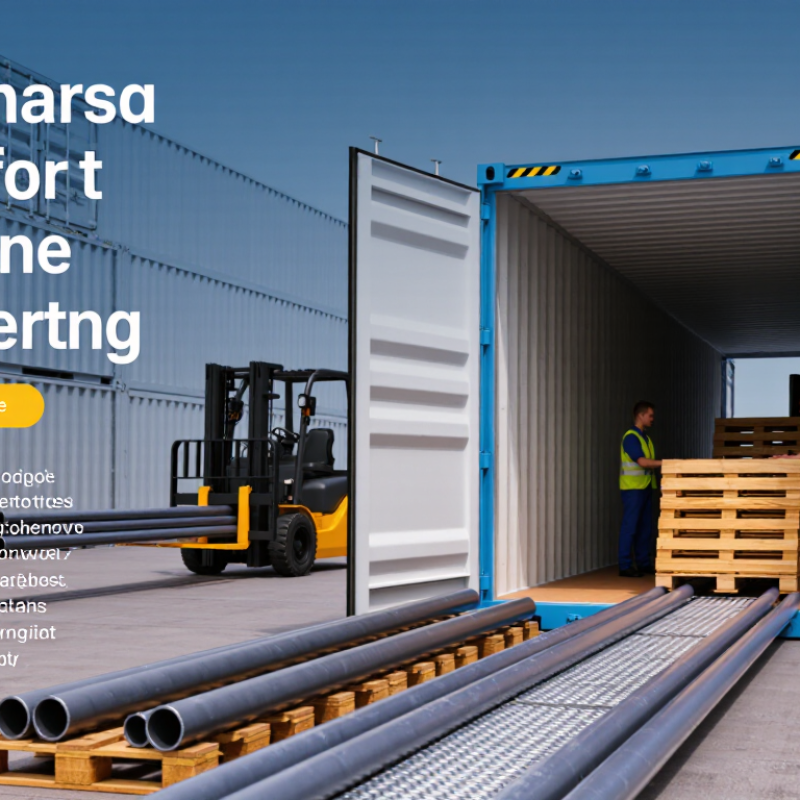
A side opening shipping container is a steel cargo unit with large doors along one long wall. Standard containers usually open from one short end. This different layout provides wider access to the full internal length. Forklifts, carts, and workers can reach cargo without moving every item first. It is useful for machinery, building materials, long products, and goods needing frequent loading. The doors may open from one side only or from both sides, depending on the container design. Strong locking bars, weather seals, and a level floor help protect stored items during handling and transport. In practical use, door alignment matters more than many buyers expect.
Tips: Measure the opening, floor space, and turning area before delivery. Check door seals, hinges, locking rods, and corrosion carefully. Leave clearance beside the container for safe operation. Uneven ground can twist the frame and prevent smooth closing. A site inspection is worth the time.
Side opening containers also improve visual access. Staff can identify pallets or equipment faster, especially in temporary storage areas. They can support organized loading zones, workshops, retail displays, or event logistics. However, the side doors reduce usable wall space and may require extra clearance. They are not automatically better for every project. Some users focus on easy access and overlook security, drainage, or local placement rules. That mistake can become expensive. Choose a unit with verified dimensions, sound seals, and a documented inspection history. A professional supplier should explain load limits, delivery requirements, and maintenance needs clearly.
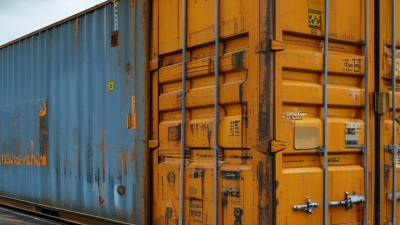
A side opening shipping container works through a long access wall fitted with hinged steel door panels. Unlike a standard container, it opens across the side instead of only at one end. Several locking bars hold the panels tightly against the frame. Rubber seals help reduce rain, dust, and moisture entry when the doors are closed.
During loading, workers place the container on stable, level ground and secure the doors fully open. Forklifts can then approach from the side, which is useful for wide machinery, pallets, glass panels, and long equipment. The open span also gives workers a clearer view of the cargo. I have found that this access can reduce awkward lifting, but it does not remove the need for careful handling.
Small details matter.
Before use, inspect the hinges, locking bars, door seals, floor, and corner posts. A damaged seal may allow water inside, even when the doors appear closed. Cargo should remain evenly distributed and secured against movement during transport. Leave enough clearance beside the container for the doors and handling equipment. Wind can also make large side panels difficult to control.
The mechanism is practical, but not effortless. Repeated opening may strain hinges if the container stands on uneven ground. Dirt around the seals can create gaps. A trained operator should follow the container’s inspection instructions and confirm that every locking bar is engaged before movement.
Side access makes loading wide, bulky, or fragile goods much easier. Instead of moving everything through one narrow end door, workers can reach the cargo from the container’s long side. A pallet can be positioned close to the opening, reducing awkward turns and unnecessary handling. This matters in warehouses, construction sites, and temporary storage areas with limited maneuvering space.
The wider opening also improves visibility. Staff can inspect cartons, check labels, and locate individual items without unloading the entire container. In my experience, this can reduce wasted time during frequent stock movements.
It may also support better organization, especially when separate sections hold tools, furniture, or packaged materials. Keep aisles clear.
Side access offers useful flexibility on crowded sites. A container can sit beside a building, fence, or loading zone while workers still use the accessible side. Opening several sections may improve airflow during routine inspections, although ventilation should never replace proper storage controls. Weather seals, door alignment, and locking hardware need regular checks. Small faults can become expensive.
There are limitations worth considering. Side-opening models can cost more and may require more space for door movement. Their structure can also need careful handling during transport and placement. Choosing one only because the opening looks convenient would be a mistake. Measure the site, cargo dimensions, lifting equipment, and daily workflow before ordering.
Side opening shipping containers serve industries that handle bulky, long, or awkwardly shaped cargo. Construction companies use them for pipes, panels, timber, tools, and compact machinery. Workers can load materials from the full side instead of lifting everything through narrow end doors. This reduces handling pressure on busy sites. The fit is not always perfect.
Manufacturers also use side opening containers for automotive parts, fabricated metal, and maintenance equipment. A forklift can approach from the side, which helps when cargo must remain on pallets. Agriculture and food-processing businesses may store packaged produce, irrigation parts, or seasonal equipment inside them. Proper ventilation and temperature control remain essential for sensitive goods. The World Bank’s Logistics Performance Index 2023 identifies shipment reliability and logistics quality as major supply-chain concerns, making access and handling efficiency practical considerations.
Retailers, exhibition contractors, and event operators value the wide opening for temporary stores, displays, furniture, and lighting systems. Recycling and facilities-management teams can separate tools, bins, and replacement materials more efficiently. UNCTAD’s Review of Maritime Transport reports that more than 80% of global merchandise trade by volume moves by sea, so container flexibility affects many connected industries. However, a side opening does not automatically improve operations. It may require extra clearance, stronger ground preparation, and careful weather sealing. In real projects, these details are easy to underestimate.
How to Choose the Right Side Opening Container?
Choosing a side opening shipping container starts with the cargo, not the container label. UNCTAD reports that ships carry over 80% of global merchandise trade by volume. That scale makes small loading errors expensive. Measure the longest item, required aisle space, and forklift turning radius. Then compare the usable side-door width with the cargo’s actual dimensions. It may fit on paper, but not during a rainy loading shift.
Check payload, internal height, floor strength, and door clearance together. ISO 668 defines standard container dimensions, but usable space varies with insulation, lining, and door hardware. A heavier modified unit can reduce available payload. Confirm the container’s gross mass marking and safety approval under the CSC Convention. Ask for recent inspection records. Rust around hinges deserves attention. So does a damaged seal.
Site conditions matter just as much. A side door needs level ground and enough clearance for full opening. Measure the loading area, nearby walls, and forklift path before ordering. For frequent access, choose robust locking gear and weather seals. For occasional use, a lower-cost specification may be reasonable. I have seen buyers focus on opening width alone. That shortcut failed when the truck could not align safely. Recheck the complete handling process, including delivery, unloading, storage, and empty return.
| Selection Dimension | Typical Options or Facts | Why It Matters | Recommended Choice |
|---|---|---|---|
| Primary Loading Access | A side opening container has one or more large doors along the long side, in addition to standard end doors. | The wider access area makes it easier to load long, wide, bulky, or palletized cargo from the side. | Choose side access when cargo cannot be efficiently loaded through the approximately 2.3 m-wide end doors of a standard container. |
| Container Length | Common lengths are 20 ft and 40 ft. A 40 ft high-cube unit is also widely used for volume-sensitive cargo. | Length affects usable floor area, cargo capacity, handling requirements, and transport cost. | Select 20 ft for heavier dense cargo or limited space; select 40 ft for larger volumes and lighter cargo. |
| Internal Height | A standard-height container is about 2.39 m internally; a high-cube container is about 2.70 m internally. Exact dimensions vary by design. | Additional height can accommodate taller cargo, stacked goods, racks, and handling equipment. | Choose high-cube when cargo height, stacking space, or internal working clearance is important. |
| Approximate Internal Width | Most general-purpose containers provide approximately 2.35 m of internal width, subject to wall and door construction. | The internal width determines whether side-loaded pallets, machinery, vehicles, or oversized packages will fit safely. | Measure the widest cargo point, including packaging and lifting clearance, before confirming the container. |
| Approximate Side Door Opening | The side opening may extend across most of the container length. Clear opening dimensions depend on the number, arrangement, and design of the doors. | A large side opening improves visibility and reduces the need to move other cargo to reach items stored inside. | Request the manufacturer’s certified clear-opening drawing when cargo dimensions are close to the limits. |
| Payload and Gross Weight | Many dry freight containers have a maximum gross weight around 30,480 kg, while allowable payload varies by tare weight and local regulations. | The usable payload must include the cargo, packaging, pallets, restraints, and any internal equipment. | Verify the CSC plate, tare weight, maximum gross weight, and route-specific road limits before loading. |
| Floor Loading | Container floors are commonly constructed from heavy-duty timber over steel cross members, with the permitted load depending on the unit’s specification and condition. | Point loads from machinery, wheels, or narrow supports can damage the floor even when total weight is within the payload limit. | Use load-spreading plates, confirm axle or point-load requirements, and inspect the floor before purchase or rental. |
| Cargo Type | Suitable applications include machinery, construction materials, timber, pipes, furniture, retail fixtures, event equipment, and palletized goods. | Side access is particularly useful when cargo is long, irregularly shaped, frequently accessed, or difficult to reach through end doors. | Choose a side opening model for mixed loads or staged loading where individual items must remain accessible. |
| Door Operation and Clearance | Side doors require sufficient space to open, secure, and operate safely. Door types may include hinged panels or other engineered configurations. | Restricted clearance can prevent full opening and create safety risks during loading and unloading. | Check the site layout, door swing, ground level, overhead obstructions, and forklift operating area. |
| Weather Protection | A compliant unit should have sound door gaskets, locking bars, roof panels, corner posts, and wall seams without significant leakage or corrosion. | More door seams and hardware require careful inspection to maintain protection from rain, dust, and moisture. | Request a wind-and-water-tight inspection or survey, especially for used containers and moisture-sensitive cargo. |
| Ventilation and Condensation | Standard dry containers generally have passive vents, but they are not climate-controlled environments. | Temperature changes can cause condensation, which may affect metal, textiles, electronics, paper, and untreated wood. | Use desiccants, ventilation improvements, moisture barriers, or a temperature-controlled solution when cargo requires it. |
| Security | Security depends on door construction, locking rods, seals, padlock protection, site security, and cargo restraints. | The larger side opening provides convenience but also increases the importance of correct locking and inspection. | Specify lockable handles, tamper-resistant protection, numbered seals, and an access-control procedure. |
| Transport and Handling | The container should be compatible with the intended vessel, rail, chassis, lifting equipment, and terminal handling process. | A specialized side opening design may have different tare weight, handling instructions, or availability than a standard unit. | Confirm ISO dimensions, corner fittings, CSC approval, shipping-line acceptance, and local handling requirements. |
| Condition and Inspection | Inspect the frame, corner posts, roof, side panels, door hinges, gaskets, locking bars, floor, welds, and corrosion areas. | Side door hardware has more moving parts and should operate smoothly without distortion or excessive wear. | Choose a new unit for demanding service; choose a used unit only after a documented structural and weather-tightness inspection. |
| Best Overall Use Case | Projects requiring wide access, frequent loading, visibility across the cargo, or flexible placement of different-sized goods. | The side opening can reduce handling time and improve organization compared with end-door-only access. | Select a side opening container when access efficiency and cargo flexibility justify the additional specification and cost. |
Are you still planning to build your shipping container home this year? How about you could save up to $5,000 in delivery costs towards your project?
With the Tiny Home Expos in Brisbane, Adelaide and Canberra in the coming months, we are offering FREE DELIVERY (*up to $5000) to each state the Expo is in, in exchange with using your project as a display at the show. Offer expires 8 weeks before each Expo and limited to ONE project per Expo ONLY so reach out to us now to secure your spot!
Enquire Now