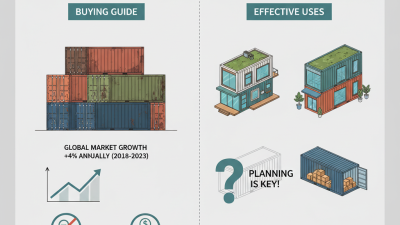
Buying second hand containers in 2026 requires more than comparing online prices. Condition, documentation, transport, and intended use all affect the real cost. A container that looks acceptable in photographs may show floor damage, roof patches, or corrosion around the locking bars. Small defects can become expensive problems after delivery.
This guide explains how to assess suppliers, inspect container grades, and request reliable condition reports. It also covers CSC plates, dimensions, door operation, and previous cargo history. Confirm that the container suits your planned use, whether for storage, shipping, or a temporary workspace. Local planning, safety, and transport requirements may also apply. Verify them with the relevant authorities before purchase.
Ask for recent photographs.
Then request exact measurements.
A professional seller should provide clear ownership details, inspection information, and delivery terms. Be careful with unusually cheap offers. They may exclude crane fees, inland transport, repairs, or taxes. That mistake is common, and it can weaken an otherwise sensible budget. I would also avoid relying on one photograph or a verbal promise. Written records create accountability.
The best decision is not always the newest container. A well-maintained unit with limited surface rust may offer better value than a cheaper, heavily repaired one. Still, judgments can be imperfect without a physical inspection. When possible, hire an independent inspector before payment. This practical step supports a safer, more transparent purchase and helps you choose with realistic expectations.
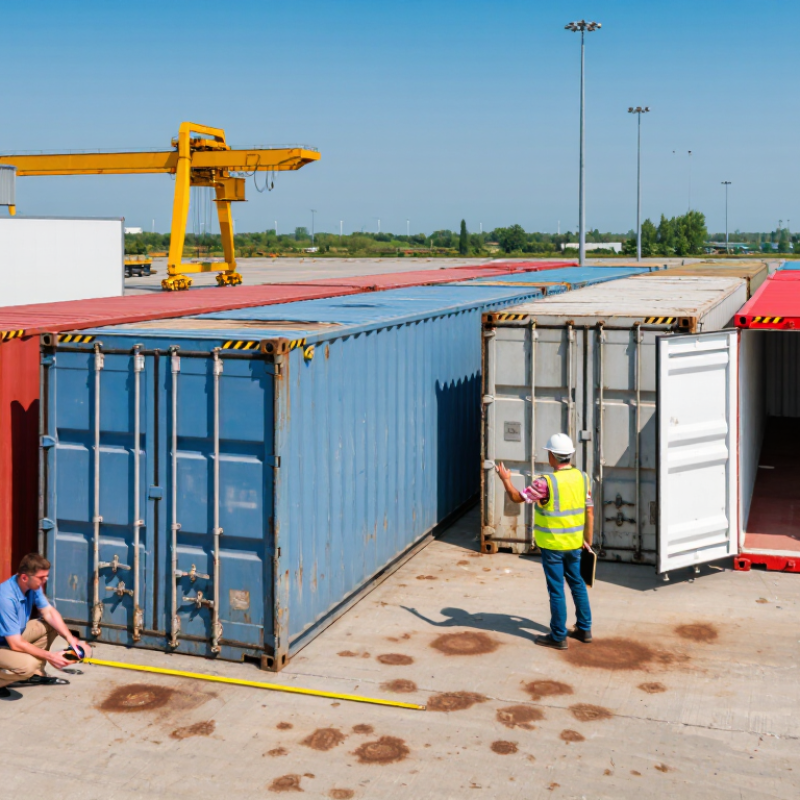
Before buying a second-hand container in 2026, define what it must do. Will it store tools, protect seasonal stock, or serve as a site office? A dry-storage unit may suit boxed goods, while frequent access calls for clear door space and a level approach. Measure the longest item, not just the average load. Leave room for walkways, shelving, and airflow. Small details matter.
Choose a size based on usable interior space, since wall ribs and door openings reduce it slightly. A standard 20-foot unit can fit many compact storage needs; a 40-foot unit offers more floor length but needs more placement space. Check the delivery route, turning area, and ground conditions before ordering. A container can look roomy online and feel awkward once it arrives. I have seen buyers overlook this.
Tips: Write down your largest item’s dimensions, required access frequency, and site measurements. Ask for interior dimensions and recent photos of the floor, roof, doors, and corners. Note dents, patches, or signs of water entry, and ask how the unit was inspected. If possible, view it in person. Photos can miss a lot. Allow a little extra capacity, but avoid paying for space you cannot use.
Typical internal cargo volume by container type. Use this as a planning guide; actual dimensions vary by container and condition.
A 20-foot standard container offers about 33 m³ of internal volume, while a 40-foot standard provides about 68 m³. A 40-foot high-cube adds height and offers about 76 m³. Before buying, confirm the container’s actual internal dimensions, door opening, floor condition, and suitability for your intended use.
Start with the cargo, site, and delivery route—not the lowest price. A standard dry container suits boxed goods and general storage. A high-cube model adds roughly 30 centimeters of interior height, useful for bulky items or taller shelving. For machinery, check door clearance and floor capacity; a pallet that fits on paper may still catch on a damaged door frame. Open-top and flat-rack containers serve oversized loads, but they are less weather-tight and may need more careful handling.
A refrigerated container only makes sense when the unit can maintain the required temperature and its machinery has service records. UNCTAD’s Review of Maritime Transport 2024 reported that containerized trade grew by an estimated 0.3% in 2023, with growth expected to recover in 2024. That changing demand is one reason to match container type to actual use, rather than assume every used unit is a bargain.
Tips: Measure your largest item and access route before ordering. Inspect the roof, corner posts, floor, seals, and doors in daylight; photograph dents and rust. Ask for inspection records and test refrigeration under load where relevant. A fresh coat of paint can hide trouble. I have seen buyers overlook that. Even a clean-looking container may need repairs, so leave room in the budget.
When buying a second-hand container in 2026, inspect it in daylight and ask to see it empty. Look along the roof for dents, standing water, and pinholes; a small leak can leave a dark stain on the floor. Check the door seals, hinges, locking bars, and corner castings. Doors should open without a hard shove. Some resistance is normal, but uneven gaps may signal a twisted frame. Bring a flashlight. Look underneath, too.
Ask for a clear record of repairs, not just a claim that the container is “wind and watertight.” Fresh paint can hide patched rust, so examine welds and repaired panels closely. Press suspect floor areas with a boot and look for soft spots, strong odors, or evidence of moisture. A tidy interior is reassuring, but not proof. I would still check every corner.
Age matters, but condition matters more. A well-maintained older unit may suit storage better than a newer one with damaged structure. For transport use, verify the CSC safety approval plate and its inspection or examination status. Confirm the details with the seller and a qualified inspector, especially if the plate is unreadable or repairs are undocumented. Certification needs depend on intended use. Don’t guess. A careful inspection can still miss hidden damage, so make the purchase subject to an independent check when the stakes are high.
Compare at least three sellers before accepting a quote. A low container price may hide inspection, lifting, or inland delivery fees. Ask for recent photos, the manufacturing year, dimensions, floor condition, door seals, and the CSC safety plate. The United Nations Conference on Trade and Development reported that over 80% of global merchandise trade moves by sea. Container availability can therefore change quickly after port congestion or route disruption. Get the quote’s validity period in writing.
Delivery deserves equal attention. Request a complete cost breakdown, including terminal handling, trucking, crane service, storage, and possible waiting charges. The World Bank’s 2023 Logistics Performance Index used feedback from 4,090 logistics professionals across 139 countries. Its results show that tracking and delivery reliability remain major differences between markets. Use that evidence carefully. A seller’s attractive estimate means little without a confirmed delivery window, vehicle type, and unloading plan. Measure the entrance first. Many buyers forget this.
Your contract should state the container’s grade, condition, inspection date, ownership status, payment milestones, refund rules, and responsibility for damage during transport. Confirm whether the price is EXW, FCA, or delivered to your site. A pre-purchase inspection by an independent surveyor can expose hidden rust beneath fresh paint. I have seen clean-looking units fail basic door alignment checks. That mistake is expensive. The 2024 UNCTAD Review of Maritime Transport also noted continuing volatility in shipping operations, so leave room for delays rather than trusting a perfect schedule.
When buying second-hand containers in 2026, complete the purchase with evidence, not promises. Request recent photos, the container number, maintenance records, and a clear sales invoice. Check the doors, floor, roof, corner posts, and locking bars. Rust around structural joints deserves careful attention. An independent inspector can identify warped panels, hidden leaks, and unsafe repairs. Measure twice.
The agreement should state the container’s condition, dimensions, age, price, taxes, delivery point, and ownership details. Confirm that the unit is legally available for sale and suitable for its intended use. Avoid sending the final payment before receiving verified documents and inspection results. Keep records. A photograph may hide a damp smell or a weakened floor, so allow money for unexpected repairs.
Arrange transport with a qualified carrier that uses the correct chassis and lifting equipment. Share the container’s weight, dimensions, pickup address, and delivery restrictions in writing. Check the route for low bridges, narrow gates, soft ground, and local permit requirements. The loading area needs firm, level ground and enough space for a crane or side loader. Secure the container with approved twist locks, inspect the equipment before departure, and confirm cargo insurance. At delivery, examine every corner before signing. Record new dents, water entry, or damaged doors immediately, with time-stamped photographs. Do not rush.
| Purchase or Transport Stage | What to Check | Useful Benchmark or Requirement | Evidence to Keep |
|---|---|---|---|
| Choose the container size | Confirm that the container will fit the intended cargo, site, and delivery route. Check actual dimensions before ordering. | Common standard external dimensions are approximately 6.06 × 2.44 × 2.59 m for a 20 ft container and 12.19 × 2.44 × 2.59 m for a 40 ft container. Dimensions vary by model. | Written dimensions, container type, and confirmation of the unit’s identification number. |
| Inspect condition | Check the roof, floor, corner posts, walls, doors, hinges, locking rods, and seals. Look for holes, major corrosion, distortion, persistent water ingress, and strong odours. | Open and close both doors, test the locking gear, and inspect the interior in daylight. A “used” grade is not a universal condition standard, so agree on condition in writing. | Dated inspection photos, a written condition report, and a record of any repairs or exclusions. |
| Verify weight and capacity | Read the container’s data plate and do not rely on a generic specification for its tare weight or payload. | Tare weight, maximum gross mass, and payload differ between units. The maximum gross mass is the combined permitted weight of the container and its contents. | Clear photographs of the data plate and confirmation that the intended load stays within applicable limits. |
| Check approval for intended use | If the unit will be shipped internationally or handled by a carrier, check the required safety approval and carrier acceptance before purchase. | Where applicable, inspect the CSC safety approval plate and its status. A container suitable for static storage may not be accepted for transport or lifting. | Plate details and written confirmation of acceptance from the relevant carrier or transport provider. |
| Complete the purchase | Confirm the total price, taxes, collection or delivery terms, payment schedule, ownership transfer, and responsibility for damage before delivery. | There is no single reliable market price: condition, size, location, availability, and delivery distance affect the quote. Compare itemised written offers on the same basis. | Invoice or signed sale agreement, payment receipt, unit identification number, and agreed condition description. |
| Plan safe transport and unloading | Give the transport provider the delivery address, access restrictions, ground conditions, unloading method, and any overhead or turning hazards. | Confirm vehicle and lifting equipment suitability, site access, required permits, and who supplies the crane or other unloading equipment. Requirements depend on the route and local rules. | Written delivery plan, itemised transport quote, agreed delivery window, and confirmation of the unloading responsibilities. |
| Secure the load | Use a qualified transport provider and confirm that the container will be properly secured to suitable transport equipment for the journey. | The carrier should follow applicable road-safety rules and its load-securing procedures. Do not assume a container is safe to lift from any point; lifting arrangements must be suitable for the unit. | Carrier confirmation of the transport method, securing arrangement, and any special handling requirements. |
| Accept delivery | Inspect the unit before signing a delivery record. Compare its identification number and condition with the purchase documents. | Photograph any new damage immediately and note it on the delivery paperwork before the vehicle leaves the site. | Signed delivery record, arrival photographs, and written notice of any damage or missing items. |
Are you still planning to build your shipping container home this year? How about you could save up to $5,000 in delivery costs towards your project?
With the Tiny Home Expos in Brisbane, Adelaide and Canberra in the coming months, we are offering FREE DELIVERY (*up to $5000) to each state the Expo is in, in exchange with using your project as a display at the show. Offer expires 8 weeks before each Expo and limited to ONE project per Expo ONLY so reach out to us now to secure your spot!
Enquire Now