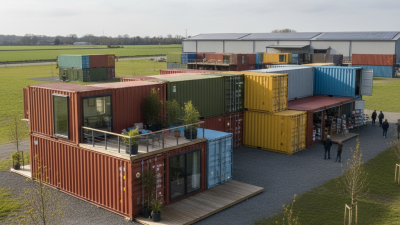
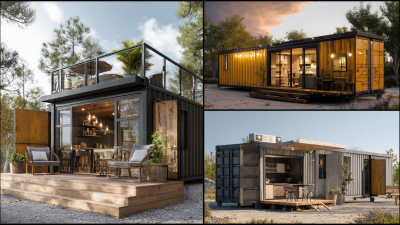
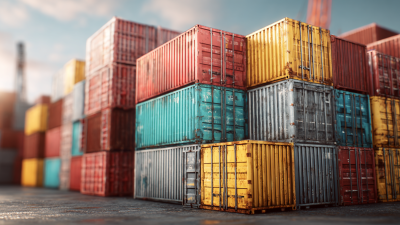
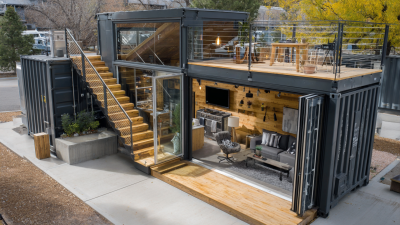
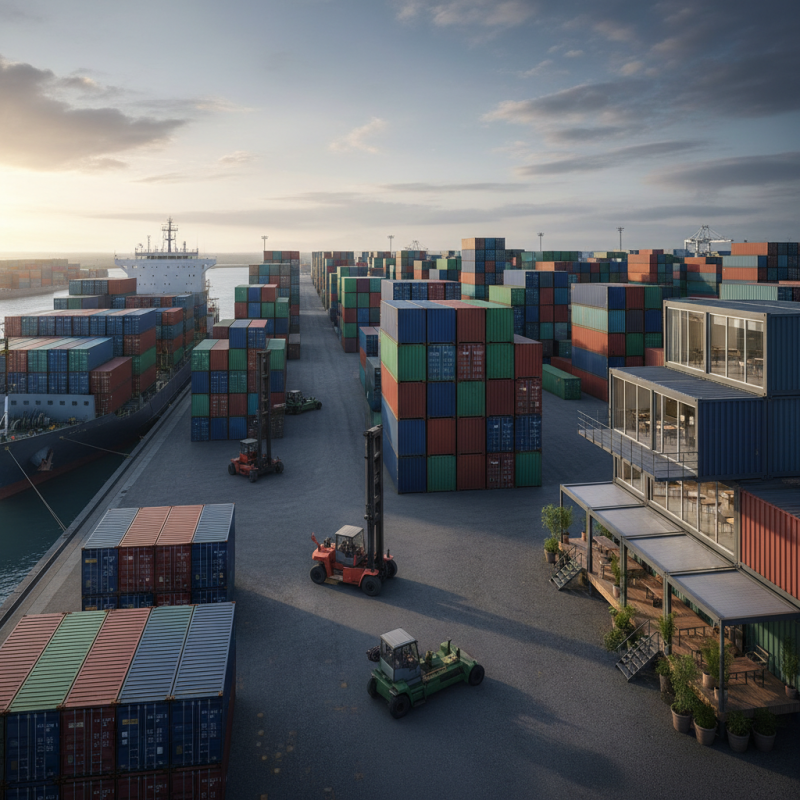
In recent years, the demand for large shipping containers has surged dramatically. According to a report by the World Trade Organization, over 80% of global merchandise trade is transported via shipping containers. These large shipping containers offer businesses effective storage solutions and are also used for on-site offices or innovative retail spaces.
Choosing the right supplier is crucial. Many companies rely on shipping containers to manage costs and streamline their logistics. However, not all suppliers are created equal. Research shows that the quality of containers can vary significantly. A report from Container Sources indicated that 15% of containers might show significant wear and tear, affecting their usability.
Businesses should prioritize reliability when sourcing large shipping containers. They should consider factors like container condition and supplier reputation. Investing in a high-quality container can prevent costly disruptions. Careful selection and research can make a notable difference in operational efficiency.
When considering large shipping containers for your business, it's essential to understand your unique needs. Evaluate what you will store or transport. Is it perishable goods, machinery, or retail products? Defining these aspects can guide your decision.
Identify the size of the containers you need. A standard container is typically 20 or 40 feet long. However, your requirements may differ based on space and inventory.
Tips:
- Measure your available space accurately.
- Consider climate control if necessary.
- Keep future growth in mind.
Budget is another critical factor. Containers vary widely in price based on size and condition. New containers cost more but offer durability. Used containers might require maintenance, which can lead to unexpected expenses.
Tips:
- Look for local suppliers to reduce shipping costs.
- Check for warranties or return policies.
Finding trusted sources is vital. Research online reviews and ask for referrals. A reliable supplier will provide not just containers but also offer support based on your needs.
When looking to buy large shipping containers, it's important to understand the types available.
The most common options are standard containers,
high cube containers, and
refrigerated containers.
Standard containers typically offer a storage capacity of 20 or 40 feet.
They are highly versatile and can be used for various business needs.
High cube containers provide additional height. This extra space makes them ideal for storing
bulky items. Many businesses find them useful for operations that require more vertical storage.
However, they can be more expensive than standard models.
Refrigerated containers, or reefers, maintain a specific
temperature. They are essential for businesses that transport perishable goods.
These containers are equipped with cooling mechanisms. While they can be valuable,
maintenance costs can be high. Overall, understanding these containers helps businesses make
informed choices.
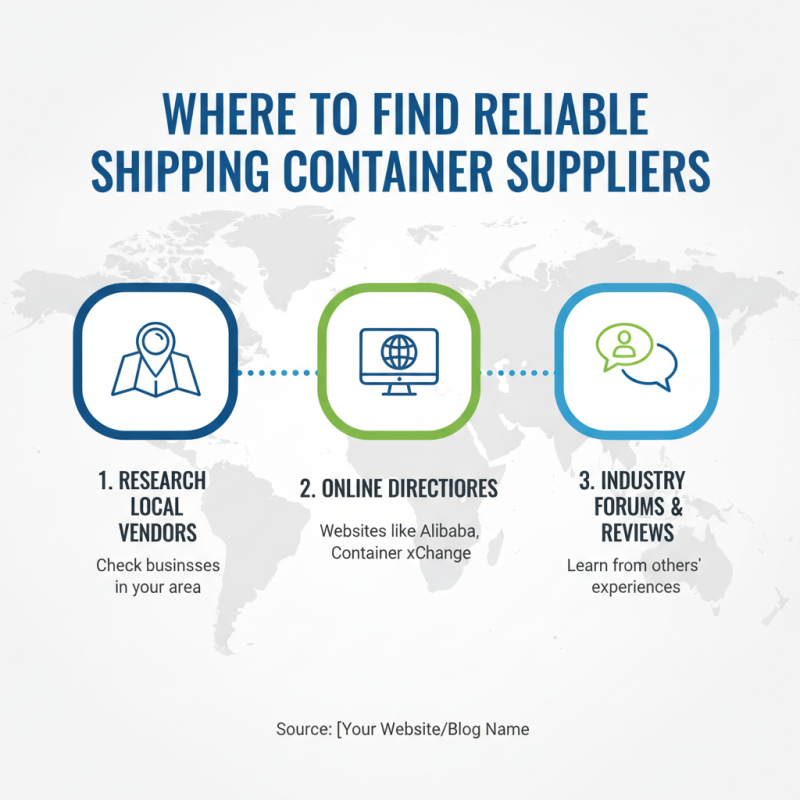
Finding reliable suppliers for shipping containers is crucial for your business. Start by researching local vendors. Visit online directories and forums where businesses share their experiences. This can provide insights into the reliability of different suppliers.
Attend industry trade shows and expos. These events often feature container manufacturers and providers. Face-to-face interaction can build trust and allow you to ask specific questions about their products. You'll also find a range of options, helping you make an informed decision.
Consider independent reviews and testimonials. Reliable feedback from other business owners can guide you toward trustworthy suppliers. Look for companies that have a consistent track record. Analyzing their customer service is equally important, as it reflects their commitment to buyers. Something may not go as planned, so having responsive support matters.
When searching for large shipping containers for your business, understanding price and quality is essential. Different suppliers offer various container types, which can significantly impact your budget. Basic containers are often less expensive but may lack durability. On the other hand, high-quality units often come at a premium price.
Tips: Always check the container condition before purchasing. Look for rust, dents, or structural issues. These flaws can affect the container's lifespan and security. Comparing multiple vendors is crucial to find the best deal.
Different grades of containers, like new or used, also influence pricing. New containers are shiny and undamaged, while used ones can be cost-effective if inspected properly. Ensure you know what you need. Sometimes, a lower quality might suffice for storage, but a stronger container may be necessary for shipping.
Tips: Seek out reviews from previous customers. These can provide insights into the reliability and service of the vendor. Quality assurance matters in your purchase decision. Make sure to inquire about warranties or return policies. This can save you from regrettable choices later on.
| Supplier Location | Container Size (ft) | Price (USD) | Condition | Delivery Options |
|---|---|---|---|---|
| USA | 20 | $2,400 | Used | Local Pickup / Delivery Available |
| Canada | 40 | $4,800 | New | Free Shipping |
| UK | 20 | £1,800 | Used | Pickup Only |
| Australia | 40 | AUD 6,500 | Refurbished | Local Delivery Available |
| Singapore | 40 | SGD 5,000 | New | International Shipping |
When exploring delivery and installation options for large shipping containers, businesses must consider logistics carefully. According to the National Association of Home Builders, approximately 75% of shipping container deliveries require specialized equipment for transportation. This means seeking services that understand the weight and dimensions of these containers is essential. Typically, a flatbed truck is used, ensuring safe loading and unloading at the destination.
Installation can often pose unforeseen challenges. The ground must be level and prepared adequately. Failure to do so can lead to structural issues, potentially compromising the integrity of the container. Reports indicate that about 30% of installations face delays due to insufficient site preparation. Therefore, assessing the installation site before delivery not only saves time but can also reduce costs in the long run.
Understanding local regulations is another critical aspect. Many cities have specific zoning laws governing the use of shipping containers. Navigating these regulations can prove cumbersome and sometimes confusing. Local permitting can delay the overall process, with some instances reported to take weeks longer than anticipated. Engaging experts who understand these nuances can streamline this aspect of container installation, making the overall experience less daunting.
Are you still planning to build your shipping container home this year? How about you could save up to $5,000 in delivery costs towards your project?
With the Tiny Home Expos in Brisbane, Adelaide and Canberra in the coming months, we are offering FREE DELIVERY (*up to $5000) to each state the Expo is in, in exchange with using your project as a display at the show. Offer expires 8 weeks before each Expo and limited to ONE project per Expo ONLY so reach out to us now to secure your spot!
Enquire Now