How to Use Modified Shipping Containers for Homes and Offices?
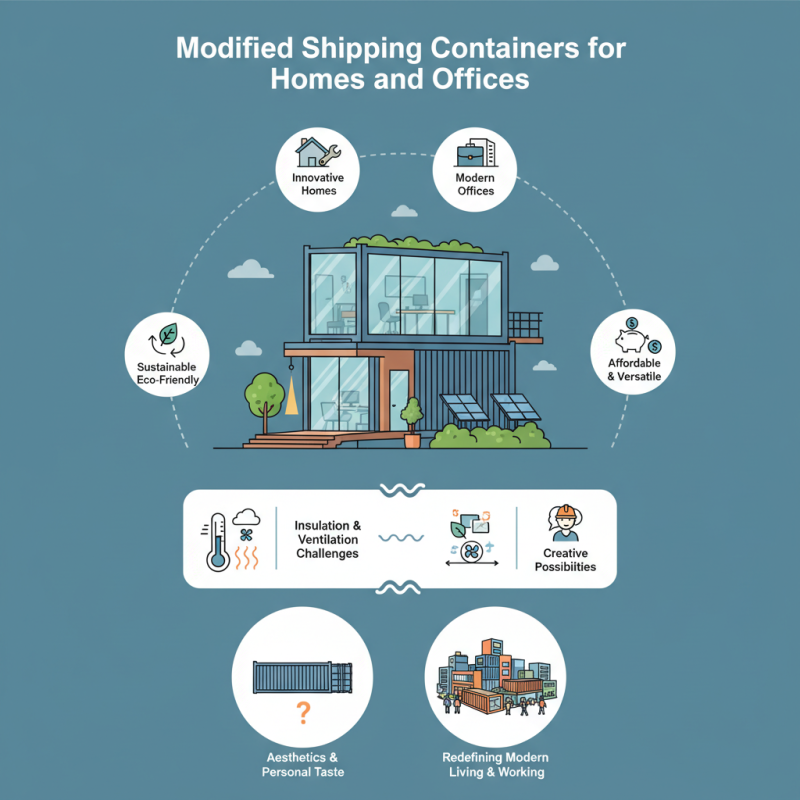
Modified shipping containers have emerged as an innovative solution for creating homes and offices. These structures are durable, versatile, and environmentally friendly. They provide an alternative to traditional building methods. As more people seek affordable housing options, modified shipping containers are becoming increasingly popular.
Using modified shipping containers can be challenging. Design choices may limit functionality and comfort. Proper insulation and ventilation are crucial. Without these, indoor environments can become unlivable. However, their unique shape opens possibilities for creativity.
Many individuals and businesses are exploring this trend. They appreciate the compact size and transportability. Yet, the aesthetics of modified shipping containers may not fit everyone's style. It invites consideration of personal taste and community standards. Overall, modified shipping containers can redefine modern living and working spaces.
Understanding the Basics of Modified Shipping Containers for Living Spaces
Modified shipping containers are becoming popular choices for homes and offices. According to a recent industry report, the global market for container homes is expected to grow by over 10% annually. This growth reflects a shift towards sustainable living and cost-effective building solutions.
These containers offer flexibility in design. They can be stacked, joined, and customized to fit various needs. The standard size is typically 20 or 40 feet, offering ample space for living or working. Many people enjoy the industrial look of steel. Yet, insulation is crucial. Without it, temperatures can fluctuate drastically, making spaces uncomfortable. Well-designed systems can mitigate these issues, but they often require careful planning.
One challenge is the potential for rust and corrosion. Modifications may not account for local weather conditions. It’s essential to use proper coatings and materials to protect the structure. There are also zoning laws and building codes to navigate, sometimes complicating approvals. These factors can deter potential buyers but also present opportunities for innovative solutions. Thoughtful designs can lead to functional yet stylish living and working environments.
Key Benefits of Using Shipping Containers for Homes and Offices
Shipping containers are gaining popularity as innovative solutions for homes and offices. A recent report by
The Container Housing Association shows that over 6,000 container homes have been built worldwide, indicating a growing trend. These structures offer several key benefits.
One significant advantage is cost efficiency. Traditional construction can be expensive, often exceeding $200 per square foot. In contrast, shipping container conversions can be completed for as little as $100 per square foot, according to the National Association of Home Builders. This makes them an attractive option for many seeking affordable housing. Additionally, containers are durable and can withstand extreme weather, reducing long-term maintenance costs.
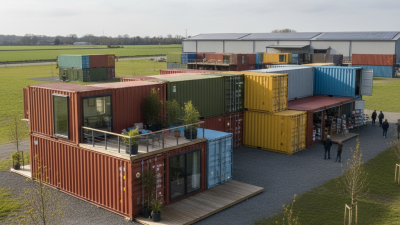
Another notable benefit is their modular nature. Containers can easily be stacked or combined, allowing for flexible design options. This adaptability is ideal for urban spaces with limited land availability. However, challenges remain, like local zoning laws and insulation needs in colder climates. Proper planning and customization are essential for a successful project. Balancing these aspects can be complex but is crucial for maximizing the potential of shipping containers.
Design Considerations and Customization Options for Container Spaces
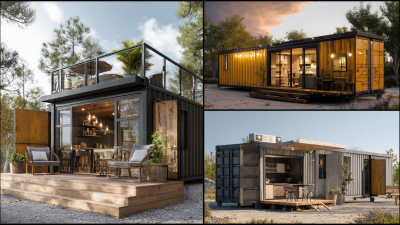
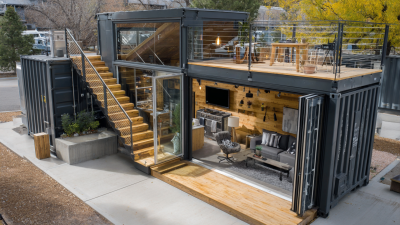
When considering modified shipping containers for homes or offices, design plays a crucial role. Think about ventilation and natural light. Large windows or skylights can make the space feel open and inviting. Insulation is essential too. Without it, your container could become too hot or too cold.
Customization options are almost endless. You can carve out sections for rooms or create open-plan layouts. Adding a deck or awning can extend your usable space. Color choices can also impact the feeling of your container. Bright colors can energize while muted tones offer calm.
**Tips:** Always assess the container's condition before purchasing. Look out for rust or structural issues. Consider future needs; you might want to add on later. Modular designs allow flexibility. Keep in mind that dependencies on local building codes might affect your design plans.
Construction and Installation Costs of Modified Shipping Container Buildings
Modified shipping containers have become a popular choice for homes and offices due to their affordability and flexibility. The initial construction costs can vary widely. Budgeting for these buildings requires careful planning.
For a basic container home, you might spend around $10,000 to $30,000. However, adding insulation, plumbing, and electrical work can significantly increase expenses.
Installation costs also depend on location and site preparation. In urban areas, prices can soar due to labor costs. A good foundation is essential and may include pilings or concrete slabs. Ensure you consider zoning laws before starting. Some regions limit modifications on shipping containers.
It's crucial to research these aspects to avoid future issues.
While container buildings offer unique benefits, challenges exist. Insulation needs may not be straightforward. Achieving energy efficiency can be tricky. Many owners find that retrofitting is necessary. Additionally, aesthetics may vary based on individual tastes.
Sometimes, creative solutions lead to unexpected results. Reflecting on these factors can help in decision-making. Balancing budget, design, and functionality is key to a successful container project.
Sustainability and Environmental Impact of Container Architecture
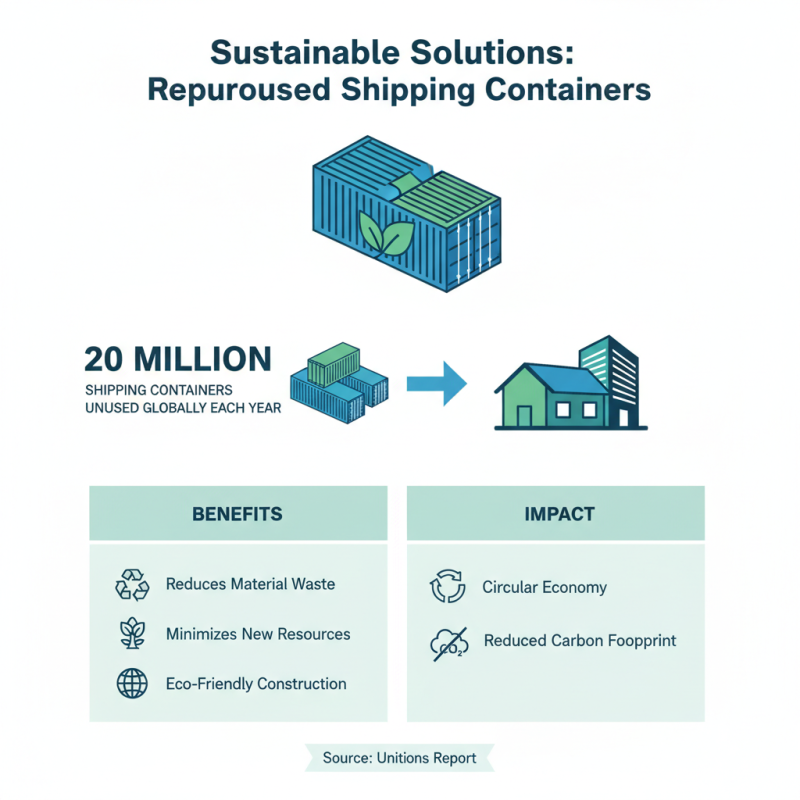
Using modified shipping containers as homes and offices presents unique sustainability benefits. These structures often repurpose containers that would otherwise go to waste. According to a report by the United Nations, around 20 million shipping containers are no longer in use globally. This method significantly reduces material waste and minimizes the need for new resources.
Container architecture also boasts energy efficiency. They can be designed for optimal insulation, reducing energy consumption for heating and cooling. A study by the U.S. Green Building Council indicates that eco-friendly buildings can reduce energy costs by 30-50%. This drastic reduction not only saves money but also reduces carbon footprints, contributing to a healthier environment.
Tips: Consider the location of your container home or office. Position it to maximize sunlight for natural heating. Explore insulation materials that are sustainable yet effective. This avoids relying heavily on traditional energy sources.
However, not every aspect is perfect. Some containers can rust, which might require costly maintenance. Additionally, insulation needs vary by region, and poor insulation can lead to energy inefficiency. It is crucial to thoroughly evaluate the local climate before making design choices.