What Is a Cargo Shipping Container and How Does It Work?
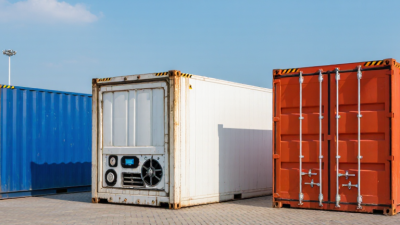
A cargo shipping container is a standardized steel box designed to move goods efficiently. It travels by ship, rail, and truck without unpacking the cargo. This process is called intermodal transport. Unlike ordinary storage boxes, containers have reinforced corners, locking doors, and engineered floor structures. Their familiar dimensions allow cranes, chassis, and terminal equipment to handle them safely. Most are twenty or forty feet long. Simple, but powerful.
Inside the container, workers arrange cartons, machinery, or pallets to control weight and movement. They may use straps, braces, airbags, or blocking materials. During loading, even weight distribution matters. Poor placement can create pressure against the doors or reduce stability during transit. Once the doors close, a numbered seal helps identify unauthorized opening. At a terminal, cranes lift the container by its corner castings. The same unit then continues by another transport method.
Understanding how a cargo shipping container works helps shippers plan safer, more reliable deliveries. It also explains why dimensions, gross weight, ventilation, and moisture protection matter. A sound container should meet recognized safety requirements, including applicable inspection and certification standards. Trained operators check its floor, doors, roof, and structural frame. Weight limits are never a minor detail. Even experienced teams can overlook condensation or uneven loading. Real operations are less perfect than diagrams suggest. This guide examines the container’s design, handling process, and practical limitations. The goal is clear: understand the equipment before trusting it with valuable cargo.

Container Fundamentals: ISO Sizes, Materials, and Standard 20-Foot Units
A cargo shipping container is a reusable steel box designed for efficient intermodal transport. It moves between ships, trains, and trucks without unloading the cargo inside. UNCTAD’s Review of Maritime Transport 2024 reports that more than 80% of global merchandise trade by volume travels by sea. Containers make that movement predictable.
ISO standards define common dimensions, strength, and handling points. ISO 668:2020 identifies the standard 20-foot container as a one-TEU unit. Its external length measures about 6.06 meters, with a width near 2.44 meters and height around 2.59 meters. Internal space is usually close to 33 cubic meters. Actual figures vary slightly by design.
The structure uses weathering steel, corrugated wall panels, and a heavy plywood floor. Corner castings let cranes and twist locks lift or secure the box. Double doors create a wide opening for pallets, machinery, or cartons. The maximum gross mass commonly reaches 30.48 tonnes, but the container plate controls the legal limit. Payload often falls near 28 tonnes after tare weight.
In practice, the 20-foot format is useful for dense cargo. It can handle weight before volume. That sounds simple. It is not always ideal. Uneven loading can shift weight, damage flooring, or complicate lifting. Experienced packers distribute mass across the floor and leave clearance near the doors. ISO dimensions improve compatibility, yet they do not remove every operational judgment.
How Cargo Containers Are Built to Handle Loads up to 30,480 Kilograms
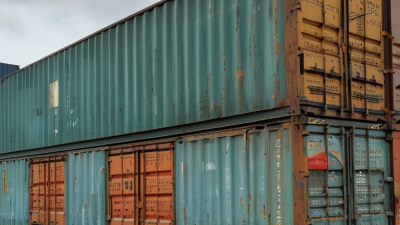
A cargo shipping container is a steel box engineered for repeated lifting, stacking, and ocean travel. Its familiar rectangular shape hides a carefully balanced load path. The roof, side rails, corner posts, and floor work together to transfer weight safely.
A common standard container can have a maximum gross mass of 30,480 kilograms. That figure includes the container itself, so the usable cargo weight is lower. The exact limit depends on the container type, condition, and transport route. Thick corner posts carry stacking forces when containers sit several levels high. Corrugated steel wall panels add stiffness without creating unnecessary weight. Underfoot, timber or composite flooring rests on steel crossmembers.
Strong stuff.
During loading, weight should be spread across the floor rather than placed in one concentrated area. Cargo must also be restrained against braking, turning, ship movement, and sudden lifting. Twist-lock fittings connect the container to handling equipment and stacking frames. Before use, trained personnel inspect doors, seals, floors, corner castings, and visible structural damage.
A small dent may be harmless, but damage near a corner post deserves serious attention.
The 30,480-kilogram figure can sound simple. It is not. Maximum mass does not mean every container can safely carry that much cargo. Moisture, uneven distribution, worn flooring, and poor securing can reduce practical safety. Reliable handling depends on verified weight, inspection records, and loading procedures followed with care. Load calculations are useful, but real conditions still require judgment.
The Shipping Process: Packing, Sealing, Tracking, and Multimodal Transfers
A cargo shipping container is a standardized steel box for moving goods between ports, rail terminals, and distribution centers. Its reinforced corners fit lifting equipment and secure locking systems. The container protects cargo from rain, dust, and repeated handling. The box is simple. The process is not.
Packing requires balanced weight, suitable cushioning, and clear labels. Heavy cartons should stay low, while empty spaces need careful blocking. Poor weight distribution can shift cargo during braking or rough seas.
After packing, workers inspect the doors, close them, and apply a numbered seal. They record the seal number, container number, weight, and condition, often with photographs.
Tracking updates may appear at booking, gate entry, loading, discharge, and final delivery. During multimodal transfers, the sealed container moves by truck, ship, or rail without unloading its contents. Each handoff should include a scan, document check, and damage inspection. Tracking can pause between terminals. That does not always indicate a problem, but unexplained gaps need attention.
Tips:
Keep a packing list inside and outside the container. Photograph fragile cargo before closing the doors. Check that the seal number matches every transport record. Leave airflow around temperature-sensitive goods when required. Small mistakes happen, especially during busy loading periods, so a second inspection is valuable.
Container Handling at Ports: Cranes, Chassis, Rail, and Vessel Operations
A cargo shipping container is a steel box designed for repeated handling. At a port, its corner castings connect with a quay crane’s lifting spreader. The crane raises the container from a truck chassis and moves it across the vessel’s working area. Operators confirm container numbers, weight data, and lifting clearance before movement. Small errors can create serious delays.
After discharge, a terminal tractor carries the container on a chassis to a storage block. Rubber-tyred or rail-mounted yard cranes stack containers in planned positions. Refrigerated units need power points and regular temperature checks. A chassis is not merely a platform; it supports safe road movement and controls how quickly cargo leaves the terminal. Congestion often begins when equipment availability does not match appointment schedules.
Rail operations require another careful transfer. A crane lifts the container from the chassis and places it onto a rail wagon. Staff verify wagon alignment, locking points, and the planned train sequence. Before loading a vessel, planners consider destination, container weight, stability, and discharge order. Heavy units usually belong lower in the stack, while dangerous weight differences must be avoided. The process is precise, but not flawless. Weather, damaged equipment, or incomplete data can interrupt a carefully arranged plan. Experienced teams use inspections, radio communication, and documented checks to reduce those risks. Yet every transfer deserves attention, because one overlooked twistlock or unclear instruction can affect workers, cargo, and the vessel’s stability.
Safety, Inspection, and Global Standards from CSC to Container Retirement
What Is a Cargo Shipping Container and How Does It Work?
A cargo shipping container is a reusable steel box designed for safe transport between ships, trains, and trucks. Its corner castings connect with lifting equipment and securing locks. Double doors protect the cargo, while ventilation openings help reduce condensation. A container may appear simple, but every structural detail carries weight. A bent corner can affect an entire transport chain.
Safety begins with a careful inspection. Inspectors examine the frame, roof, floor, door hinges, locking bars, seals, and underside. They look for cracks, serious corrosion, distortion, and repairs that weaken the steel. The CSC safety approval plate records essential information, including maximum gross mass and approval details. Containers must also follow applicable examination programs and inspection intervals. These requirements can differ by the approved system and local enforcement.
Weight control matters too. The declared verified gross mass must match the actual packed container. Incorrect figures can create dangerous lifting and stability problems. It sounds obvious, yet rushed loading still causes mistakes.
Cargo should be distributed evenly, secured against movement, and kept within the container’s rated limits. A dry floor does not prove structural safety. Hidden damage may remain beneath panels or coatings. That is why experienced inspectors use photographs, measurements, and repair records rather than appearance alone.
Retirement becomes necessary when damage is uneconomical or unsafe to repair. Severe corrosion, twisted frames, failed doors, or damaged corner castings may justify removal from cargo service. A container should not return to transport simply because it looks usable. Sometimes the difficult decision is the safest one. After retirement, the unit may serve non-transport purposes only when local requirements and a competent assessment allow it.