How to Build a Shipping Container Office on a Budget?

Building a shipping container office on a budget is an exciting challenge that merges creativity with practicality. Shipping containers offer sturdy, modular spaces ideal for office use. They provide a durable shell that can be transformed into a functional workspace without the high costs of traditional construction.

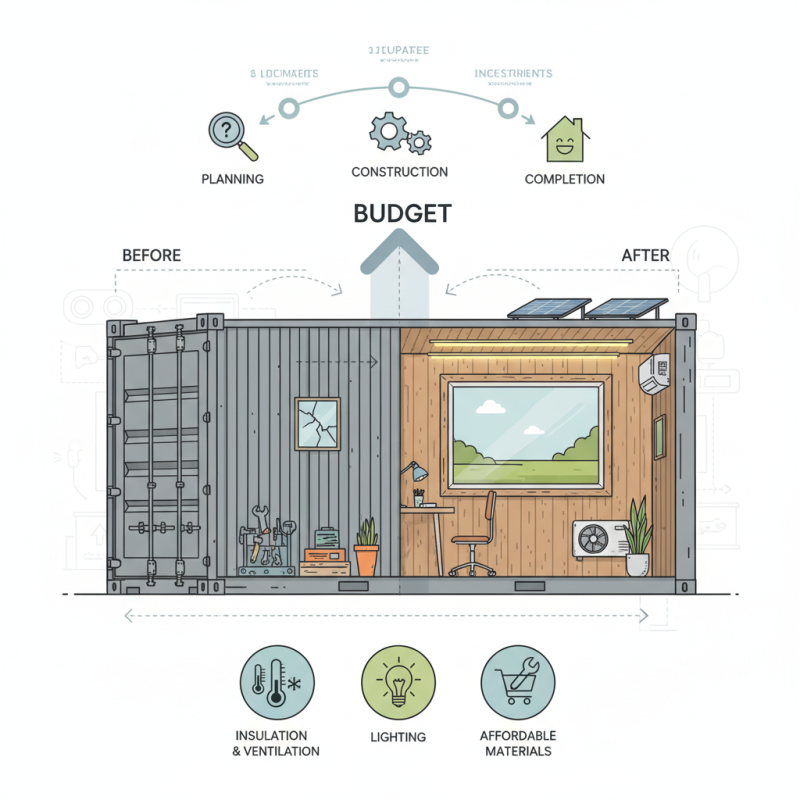
Experience shows that careful planning is key. Understanding the container’s size limits helps avoid costly mistakes. Insulation, ventilation, and lighting must be considered early to ensure comfort. It’s easy to overlook how small changes in layout impact overall usability. Choosing affordable, quality materials boosts longevity but requires research and smart shopping.

This guide reflects real projects where some solutions didn’t work perfectly. Adjustments were necessary, proving flexibility matters. Building a shipping container office involves constant learning and adapting. With the right approach and knowledge, creating a budget-friendly, efficient office space is achievable for many.
How to Build a Shipping Container Office on a Budget?

Understanding Shipping Container Basics for Office Use

Shipping containers are becoming a popular choice for office spaces. Understanding their structure is key to utilizing them effectively. A standard shipping container measures 20 to 40 feet long. This space can be transformed into a functional workspace with thoughtful design. Remember, containers are made of steel, which provides durability but requires insulation for comfort.

When using a shipping container as an office, consider ventilation and natural light. Cutting windows into the metal shell can be challenging, and mistakes might compromise the container's integrity. Additionally, think about your power needs. Installing electrical systems may require professional help. Budget constraints can lead to compromises, but careful planning can yield cost-effective solutions.

Moreover, not all containers are in perfect condition. Some may not be watertight, and rust can be an issue. Inspecting for damage before purchase is crucial. It's also worth noting that local building codes can affect your design decisions. Ensure to check regulations to avoid costly delays later on. Each choice you make can impact the project’s success; take time to weigh them carefully.

How to Build a Shipping Container Office on a Budget? - Understanding Shipping Container Basics for Office Use

Aspect Details
Container Size 20ft or 40ft
Estimated Cost $1,500 - $5,000
Insulation Types Spray Foam, Fiberglass, Rigid Board
Utilities Electricity, Water Supply, Sewage
Flooring Options Vinyl, Laminate, Bamboo
Furniture Modular, Multi-functional
Installation Time 2-4 Weeks
Permits Required Building Permit, Zoning Approval

Selecting the Right Shipping Container for Your Office Needs

How to Build a Shipping Container Office on a Budget?

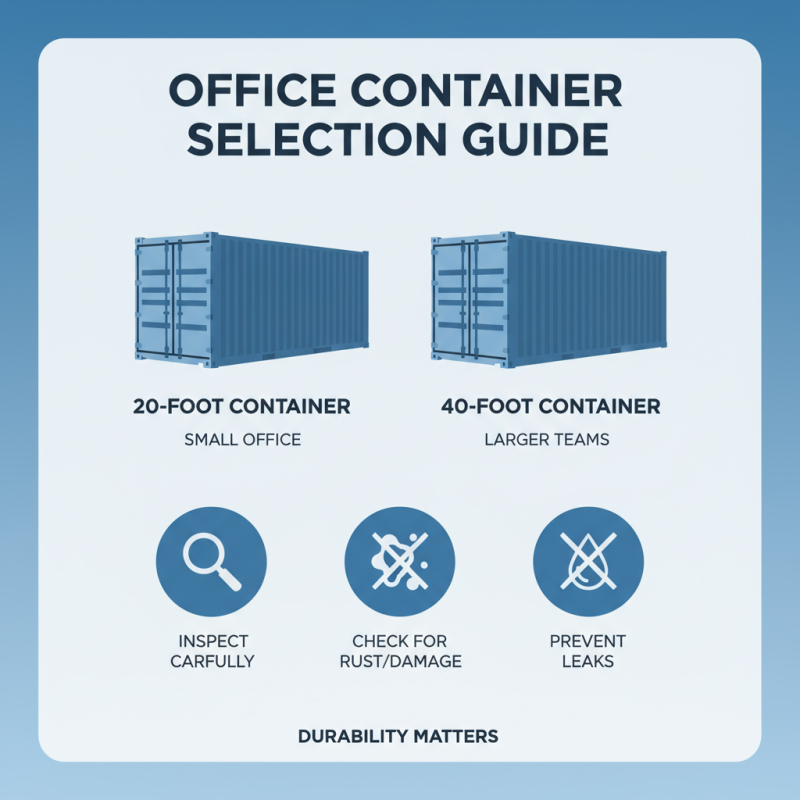
When selecting the right shipping container for your office needs, consider the container's size and condition. Standard options include 20-foot and 40-foot containers. A 20-foot container may be sufficient for a small office setup, while larger teams might need more space. Inspect the container carefully. Look for signs of rust, damage, or leaks. A well-maintained container will serve you better in the long run.

Think about insulation and ventilation. Some containers come with pre-installed features, while others may need modifications. Poor insulation can lead to discomfort in extreme weather. Ventilation is crucial in preventing moisture buildup. Consider how much natural light you want. Adding windows can brighten the space but requires careful planning.

Budget constraints might push you towards used containers. These can be more affordable but may require additional repairs. Research local suppliers, as prices can vary. Aim for a balance between cost and quality. It’s essential not to rush this process. Take your time to reflect on your specific needs. Carefully evaluate different containers before making a decision.

Essential Modifications for a Functional Container Office

Building a shipping container office on a budget requires strategic modifications to ensure functionality. First, insulation is crucial. According to industry reports, around 30% of energy is lost in poorly insulated spaces. Applying spray foam insulation or using reflective paint can dramatically improve temperature regulation. A well-insulated office is essential for comfort and can lead to energy savings of up to 20%.

Natural light plays a vital role in a productive workspace. Adding windows not only brightens the interior but also enhances mood. However, cutting holes for windows should be done carefully. Structural integrity is important, as improperly placed openings can compromise the container's strength. It's recommended to use double-glazed windows for better thermal performance.

Ventilation can impact air quality significantly. Adding ventilators or a small HVAC unit is often necessary. Research from the Environmental Protection Agency highlights that good indoor air quality can improve overall productivity. While these modifications require an initial investment, they are essential for creating a functional and comfortable office. Reflecting on these adjustments can help identify any shortcomings and lead to more informed decisions.

Cost-Effective Interior Design Ideas for Container Offices

Creating a container office on a budget can be a rewarding challenge. Interior design for such a space doesn’t need to be extravagant. Focus on practicality and comfort first. Use reclaimed materials for tables and shelving. This adds character while keeping costs low. Repurposed wood can create a warm atmosphere without breaking the bank.

Lighting plays a crucial role. Instead of expensive fixtures, consider string lights or affordable LED strips. These options create a cozy vibe and enhance productivity. For flooring, think about vinyl planks or repurposed pallets. They are cost-effective and provide durability. Adding a few colorful rugs can make the space feel inviting.

Don’t forget about plants. They improve air quality and boost mood. Incorporate easy-to-care-for varieties to avoid the maintenance headache. However, be cautious with furniture choices. Opt for multifunctional pieces that optimize space. Sometimes, less is more. Embrace simplicity for a balanced look. Remember, a budget-friendly office doesn’t mean a compromise on style. It’s an opportunity to get creative.

Cost Breakdown for Building a Shipping Container Office

This bar chart illustrates the various costs associated with building a shipping container office. The costs are broken down into categories including the container purchase, insulation, interior walls, windows, electrical work, and furniture, providing a clear picture for budgeting purposes.

Tips for Sourcing Affordable Materials and Supplies

Building a shipping container office can be an affordable alternative to traditional office spaces. However, sourcing materials and supplies wisely is crucial to stay within budget. According to industry reports, the average cost of converting a shipping container is around $1,200 to $2,500 per container, depending on modifications and features.

When searching for affordable materials, consider local suppliers. They often provide discounts and lower shipping costs. Visiting salvage yards can yield valuable finds like doors, windows, and insulation. These repurposed items can significantly cut costs. Don't underestimate the potential of online marketplaces either. You might discover deals on used materials, which can be perfect for unique designs.

Tip: When planning your office layout, keep efficiency in mind. Opt for multi-functional furniture to maximize space. Investing in second-hand items can save money while still delivering quality. Keep track of your total spending. This can help you adjust priorities as you build, ensuring you don't overspend on any single area. Budgeting for unexpected expenses is always smart, as it allows room for necessary adjustments during construction.

ENQUIRE NOW
close
Get In Touch

Use the form below to drop us an email if you have any question or comments.