What Are the Best Container Offices from China?

Choosing the best container offices from China requires more than comparing attractive photos and low prices. These modular buildings can serve as site offices, classrooms, clinics, retail units, or compact workspaces. Their real value depends on design quality, structural safety, insulation, transport planning, and after-sales support.

In supplier evaluations, details often reveal the difference. Check the steel frame thickness, welding quality, floor loading, roof drainage, and wall insulation. Ask for material specifications, factory photographs, production records, and independent inspection options. Reliable manufacturers should explain electrical layouts, fire-resistant materials, ventilation, and installation procedures clearly. Certifications can support confidence, but they should match the destination market and project requirements.

Climate matters too. A container office for a humid coastal area needs corrosion protection and effective moisture control. A cold region may require thicker insulation, sealed windows, and tested heating capacity. Small details matter.

The best supplier is not always the cheapest.

Clear drawings, accurate dimensions, transparent quotations, and responsive communication reduce costly surprises. However, product claims still need verification. Samples may look excellent while the finished shipment differs slightly. Buyers should confirm specifications before production and inspect key stages whenever possible.

This guide examines leading Chinese manufacturers through practical criteria, including customization, quality control, delivery experience, installation support, and long-term usability. It also considers weaknesses, because no supplier performs perfectly in every category. A thoughtful comparison helps buyers select container offices that are safe, efficient, compliant, and suitable for real working conditions.
What Are the Best Container Offices from China?

What Defines a High-Quality Container Office from China?

A high-quality container office from China is more than a steel box with windows. It should combine structural strength, comfortable insulation, safe wiring, and reliable factory control. The frame needs clean welds, even joints, and protective coating against rust. Doors should close smoothly, without gaps or warped edges.

Inside, practical details matter. Rock wool or polyurethane insulation can reduce heat transfer and outside noise. A finished floor should feel firm underfoot, not hollow or uneven. Electrical panels, sockets, and lighting must match the project’s specifications and local safety requirements. Factory records, material certificates, and inspection photos add credibility. Independent inspection is still wise. Paperwork alone cannot reveal a weak weld.

Tips

Request drawings before production. Check steel thickness, insulation density, window seals, and drainage points. Ask how the unit performs in heavy rain and strong wind. Review installation instructions with your contractor. A small detail, such as poor sealant around a window, can cause expensive moisture damage. Some suppliers promise rapid delivery, but speed may reduce curing time or inspection quality. That deserves careful questioning. Quality is not always perfect. Even experienced buyers can overlook ventilation, maintenance access, or future relocation needs. A clear checklist and a sample-unit inspection create more dependable decisions.

Key Types and Layouts of Chinese Container Offices

What Are the Best Container Offices from China?

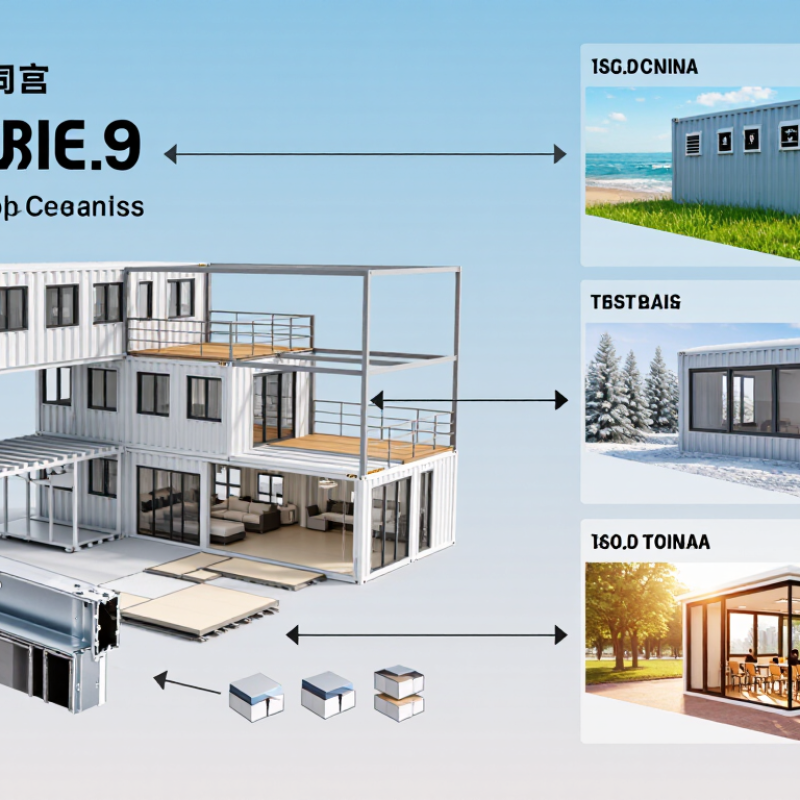
Chinese container offices are available in several practical types. Single-container offices suit security posts, site cabins, and small administrative rooms. Linked units create larger workspaces with meeting rooms and storage. Stacked layouts add a second floor when land is limited. Courtyard layouts provide better daylight and shared outdoor space.

According to UNCTAD’s Review of Maritime Transport 2023, global ports handled about 851 million twenty-foot-equivalent units in 2022. This vast container ecosystem supports standardized dimensions and efficient international transport. ISO-sized modules usually measure about 6 or 12 meters long.

However, office planning needs more than a steel box. A good layout should include insulated walls, sealed windows, electrical routes, ventilation, and safe stairs. Details matter.

Planning an Efficient Layout

The most efficient layout often uses a central corridor, private offices along one side, and a meeting room near the entrance. Open-plan units can support teamwork, but noise quickly becomes uncomfortable. A two-storey office saves ground space, although it needs stronger structural checks and clearer evacuation planning.

Industry reports from Grand View Research place the global modular construction market above 90 billion US dollars in the early 2020s, showing strong demand for factory-built solutions. Still, the cheapest module may perform poorly in hot summers or humid coastal areas. I would not promise a perfect design. Site climate, worker movement, maintenance access, and local building requirements should shape the final arrangement.

Essential Materials, Features, and Customization Options

The best container offices from China begin with dependable materials. Weathering steel frames offer strength and resist outdoor exposure. Insulated sandwich panels help control heat, cold, and noise. Common cores include rock wool, polyurethane, and EPS, but each performs differently. Rock wool improves fire resistance, while polyurethane provides stronger thermal insulation. EPS usually costs less, yet it may need closer evaluation.

A practical office should include sealed windows, insulated doors, safe electrical wiring, and efficient ventilation. Raised flooring can hide cables and reduce moisture problems. Drainage details matter, especially during heavy rain. Check welding quality, panel joints, floor loading, and corrosion protection through factory records and inspection photographs. A qualified supplier should provide material data, production drawings, and clear testing documents. Ask about installation support, because a good design can fail through careless assembly.

Customization makes these offices more useful. Buyers can request meeting rooms, private workstations, storage walls, toilets, kitchens, or connected modules. Window positions should follow daylight and local weather conditions. Interior finishes may include vinyl flooring, washable wall panels, LED lighting, and acoustic ceilings. I would not pretend that the cheapest option is always the best. Low prices can hide thinner panels or weaker fittings. Even experienced buyers sometimes overlook transport limits and future maintenance. That deserves a second review.

How to Evaluate Chinese Container Office Manufacturers

What Are the Best Container Offices from China?

How to Evaluate Chinese Container Office Manufacturers

The best container office is not always the cheapest model. A reliable evaluation starts with the manufacturer’s production experience, factory capacity, and quality records. Ask how long the company has made modular offices. Request recent project photos, client references, and inspection documents. Vague answers deserve caution.

Inspect the structure closely. Check steel thickness, welding quality, corner connections, and floor loading capacity. Ask for material specifications, not general promises. Review insulation performance, fire resistance, electrical layouts, plumbing, windows, and door hardware. Test reports should come from recognized laboratories when available. Local building requirements must also be checked before ordering.

Factory control matters. Look for written procedures covering cutting, welding, coating, assembly, and final inspection. A strong supplier should explain tolerances, packing methods, delivery risks, and installation support. Compare the complete cost, including transport, foundations, assembly, maintenance, and replacement parts. The lowest quotation can hide expensive omissions.

My own checklist is not flawless. Site conditions often change after production begins. A small drainage issue can become a serious problem. Keep written specifications, approved drawings, payment milestones, and warranty terms. Ask who responds when a panel arrives damaged. A dependable manufacturer gives clear answers before receiving the order, not after trouble appears.

Costs, Regulations, Delivery, and Installation Considerations

Container offices from China can provide fast, adaptable workspace solutions. However, the lowest quotation rarely reflects the complete project cost. Prices depend on steel thickness, insulation, windows, wiring, plumbing, furniture, and interior finishes. A simple office may appear affordable until transport, customs duties, foundation work, and local taxes are added.

Regulations require careful checking before production. Local authorities may require planning approval, fire-resistant materials, electrical certification, emergency exits, and accessibility features. Wind, snow, seismic, and thermal standards also vary by region. Ask the supplier for structural drawings, material specifications, test reports, and warranty terms. An independent engineer should review these documents. Small omissions can create expensive delays.

Delivery needs practical planning. Confirm the packed dimensions, loading method, shipping terms, port charges, and expected customs documents. Check whether a truck and crane can reach the installation site. Narrow roads and overhead cables often cause problems. Installation may require a level foundation, drainage, utility connections, sealing, and final safety inspections. It may not be plug-and-play.

Tips: Request an itemized quotation with exclusions clearly marked. Keep a contingency budget for site changes and local fees. Confirm every measurement in writing. Inspect photos, samples, or a finished unit before mass production. One lesson deserves attention: cutting insulation or installation costs may reduce comfort and increase maintenance later.

ENQUIRE NOW
close
Get In Touch

Use the form below to drop us an email if you have any question or comments.