Top 10 Benefits of Using Shipping Container Offices?

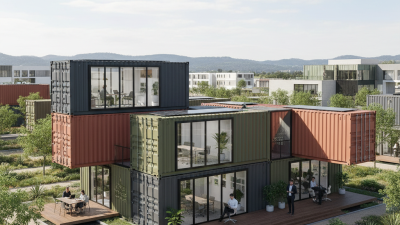
In recent years, shipping container offices have gained popularity among businesses. According to Sarah Johnson, a sustainability expert, “Shipping container offices are redefining modern workplaces.” Their unique design offers an eco-friendly alternative to traditional office spaces. These modular units are not only cost-effective but also versatile.

Many businesses appreciate the benefits of this innovative approach. A shipping container office can be easily customized for different needs. For instance, companies can work with architects to create a functional workspace. However, this trend isn’t without its challenges. Some may find zoning regulations a hurdle. Additionally, the initial setup might require extra planning.

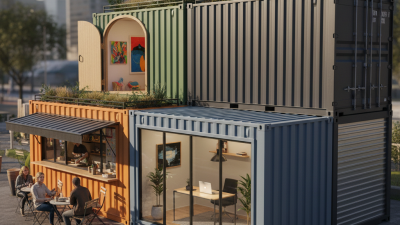
The idea of working in a shipping container office may seem unconventional. Yet, it's becoming an appealing choice for startups and remote teams. With this new trend comes the necessity to rethink our workplace designs. Are we ready to embrace such changes? The answer lies in our willingness to adapt.

Top 10 Benefits of Using Shipping Container Offices?

Advantages of Cost Efficiency in Shipping Container Offices

Shipping container offices are gaining popularity for their cost efficiency. According to a report by MarketsandMarkets, the global portable office market is projected to reach $59 billion by 2025. This trend highlights the increasing acceptance of alternative office solutions like shipping containers.

One major benefit of shipping container offices is their affordability. Conventional office spaces come with high rental and maintenance costs. In contrast, shipping container offices can reduce expenses by 30-50%. They offer flexibility in design and location. For businesses seeking to minimize overhead, this is a game-changer.

Tip: Consider selecting a used container. It’s often much cheaper and can require less customization. Look for local suppliers to save on shipping costs.

Another advantage lies in energy efficiency. Many shipping container offices are designed to be eco-friendly. Studies show that energy-efficient buildings can reduce energy costs by 30%. However, companies must ensure that insulation and ventilation are properly addressed. Without these, energy savings will be minimal.

Tip: Invest in solar panels. They can significantly lower energy bills and are often eligible for government incentives. Sustainable practices will enhance your brand’s reputation while saving money.
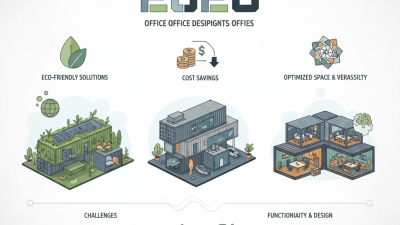
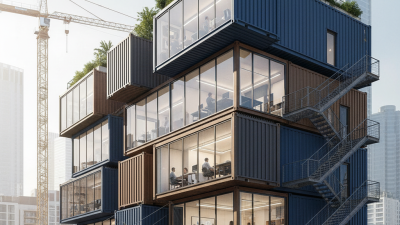
Flexibility and Customization Options for Container Office Design

Top 10 Benefits of Using Shipping Container Offices?

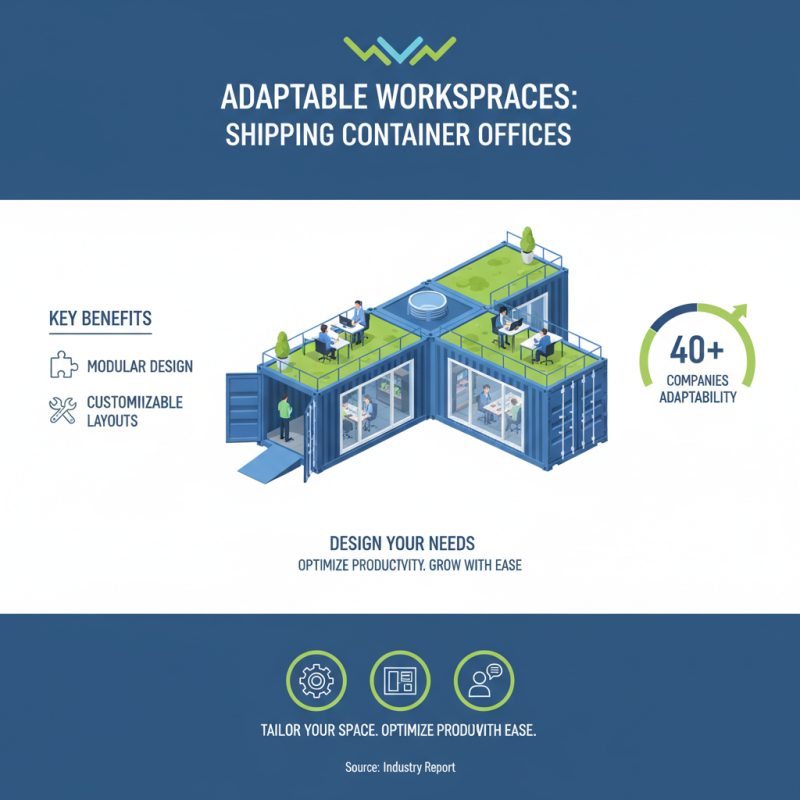
Shipping container offices provide remarkable flexibility and customization options. Businesses can design spaces that perfectly fit their needs. According to a recent industry report, over 40% of companies prioritize adaptable workspaces. This trend highlights the importance of personalizing office layouts.

Container offices can be modified in size, layout, and functionality. They can include open spaces or closed offices based on team dynamics. Reports suggest that 70% of professionals find customized environments boost productivity. Companies can adjust lighting, insulation, and ventilation to suit diverse climate conditions.

However, challenges exist in this customization journey. While containers can be tailored, certain structural limitations may arise. It's essential to remember that not all modifications are feasible. Some businesses may face obstacles in meeting county regulations for design modifications. Flexibility doesn't always mean unrestricted freedom in design, leading some creators to rethink their plans.

Sustainability and Environmental Benefits of Using Recycled Materials

Shipping container offices are gaining recognition for their sustainable advantages. These structures utilize recycled materials, minimizing waste in landfills. According to the Environmental Protection Agency, about 146 million tons of construction and demolition debris are generated yearly in the U.S. By repurposing shipping containers, we can significantly cut down on this figure.

A study from the University of Cambridge highlights that using recycled materials can reduce carbon emissions by 30%. Each container recycled saves over 1.5 tons of steel that would otherwise need extraction. This process not only conserves natural resources but also lowers manufacturing energy demands. However, the carbon footprint of transporting these containers must be considered. While they are eco-friendly, the logistics can sometimes negate their benefits.

Moreover, shipping container offices can be outfitted with energy-efficient systems. Features like solar panels and green roofs enhance their sustainability. Yet, many projects struggle to integrate these technologies effectively. It's a reminder that while the concept is appealing, execution can be challenging. Balancing aesthetics with environmental responsibility remains a complex task.

Mobility and Ease of Relocation for Shipping Container Offices

Shipping container offices are gaining popularity for several reasons. One major advantage is their mobility, making relocation a breeze. These offices can be transported easily to different locations. Imagine having your workspace delivered right to the job site. This flexibility can save time and costs when moving operations.

Consider these tips for relocating your shipping container office. Ensure you have the right permits and clearances for transport. Check the route and any obstacles that might hinder movement. Don't forget to plan for utilities at the new site. Sometimes, these tasks can be overlooked, leading to delays.

Moreover, shipping container offices can adapt to various environments. They can be nestled in remote areas or integrated into urban settings. However, some might find adjusting to new locations challenging. It’s important to be prepared for various conditions. Weather patterns, local regulations, and even community responses can vary greatly. Think about how each move impacts your team and operations.

Top 10 Benefits of Using Shipping Container Offices: Mobility and Ease of Relocation

Durability and Longevity Compared to Traditional Office Buildings

Shipping container offices are gaining traction for their durability and longevity. Unlike traditional buildings, they withstand harsh environments. According to a report by the International Organization for Standardization (ISO), shipping containers are made from corten steel. This material can endure extreme weather, resisting corrosion and impact damage.

Reports indicate that shipping container structures can last over 25 years with minimal maintenance. In contrast, traditional office buildings often require costly renovations and repairs. A study from the World Green Building Council shows that about 30% of traditional buildings suffer from structural issues within their first decade. This poses significant long-term challenges.

However, not all container offices are energy-efficient. Some may lack proper insulation, leading to energy waste. Research from the U.S. Department of Energy highlights that insulation is crucial for temperature control. If overlooked, it can negate some benefits of using containers over conventional buildings. Thus, while shipping containers offer impressive durability, attention to design detail is essential for maximizing their advantages.

Top 10 Benefits of Using Shipping Container Offices

Benefit Description Comparison to Traditional Offices
Durability Made from corten steel, these containers can withstand harsh weather conditions. Traditional buildings often require frequent maintenance and renovations.
Cost-effectiveness Lower initial investment and reduced construction expenses. Traditional offices have higher construction and ongoing costs.
Mobility Easily transported to different locations as needed. Traditional offices are typically fixed in one location, requiring significant effort for relocation.
Sustainability Repurposing old containers reduces waste and promotes recycling. Traditional offices often involve new materials, contributing to environmental strain.
Customization Flexibility in design and layout to meet specific business needs. Customizing traditional buildings can be limited by structural constraints and regulations.
Quick Setup Can be set up rapidly compared to traditional construction timelines. Traditional offices can take months or years to complete.
Versatility Suitable for various functions including offices, meeting rooms, and break areas. Traditional buildings often serve a single purpose and require alterations to change use.
Unique Aesthetic Modern and industrial look that can appeal to creative businesses. Traditional offices often follow conventional architectural styles, which may not stand out.
Heat and Insulation Can be fitted with insulation, reducing energy consumption. Traditional buildings may have higher energy costs without efficient upgrades.
Adaptability Can be easily modified for changing business needs. Adapting traditional offices may require extensive remodeling.
ENQUIRE NOW
close
Get In Touch

Use the form below to drop us an email if you have any question or comments.