Top 10 Things to Know Before Buying a 20ft Storage Container
Buying a 20ft storage container looks straightforward until delivery day exposes hidden costs. A box may appear sound from ten feet away, yet its doors can bind, its floor can smell of moisture, or its roof can hold small pools after rain. This guide examines the practical details buyers often miss before placing an order.
Container specialist Ian Clark offers a useful warning: “The cheapest container is rarely the cheapest solution once transport, repairs, and site preparation are included.” His point deserves attention. A reliable purchase depends on condition, intended use, location, and supplier transparency. Ask for recent photographs, internal measurements, floor condition, door operation, and evidence of previous repairs. Do not rely on polished exterior paint alone.
Measure the delivery route carefully. A 20ft storage container may need a large truck, turning space, firm ground, and overhead clearance. Soft soil can become a serious problem. So can a narrow gate.
The coming sections cover ten important checks, including size, grading, corrosion, ventilation, security, delivery fees, local placement requirements, and maintenance. Some recommendations may feel obvious. They are still easy to overlook. I have also included practical questions that can reveal vague quotations or unrealistic promises. A perfect container does not exist. The goal is a suitable, dry, accessible, and honestly priced unit that performs well after the first heavy storm.
Define Your Storage Needs and Choose the Right Container Size
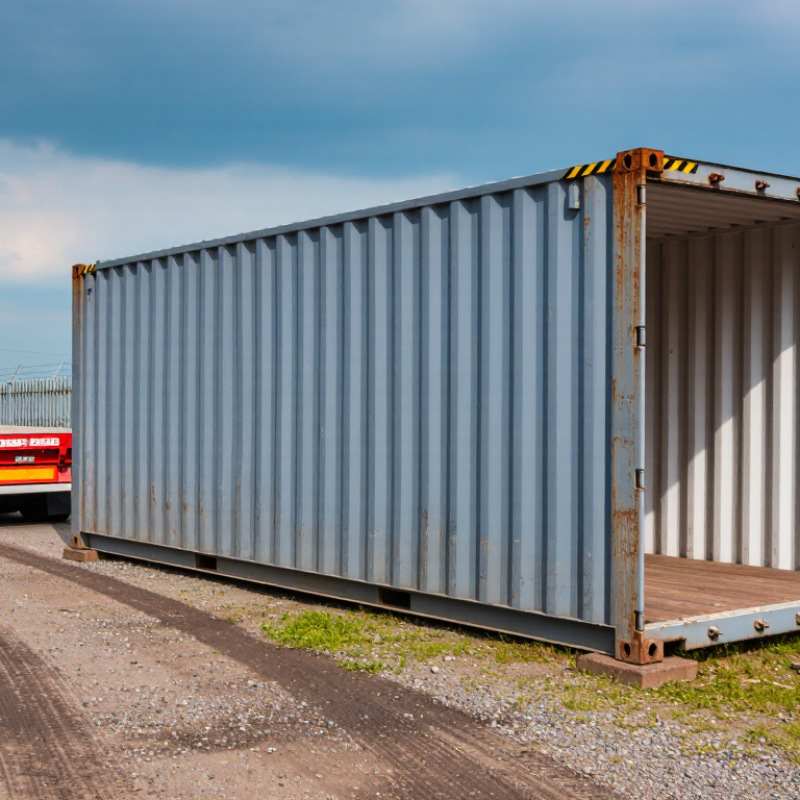
Before buying a 20ft storage container, measure what you own, not what you hope to store. A standard unit usually offers about 33 cubic meters of internal volume, with interior dimensions near 5.9 meters long, 2.35 meters wide, and 2.39 meters high. These figures follow ISO 668 container standards, but actual space varies with wall thickness, doors, and fittings. A quick floor plan helps: a dining table, twelve medium boxes, shelving, and garden tools can fill the floor faster than expected.
Think in access zones. Leave a narrow central walkway, and keep frequently used items near the doors. Heavy equipment should sit low and close to the container’s center.
The Container xChange Container Availability Index and UNCTAD’s Review of Maritime Transport show how standardized container dimensions support predictable handling, but storage use is different from shipping use. You may need ventilation, lighting, shelving, or moisture control.
My first mistake was measuring furniture only. I ignored door clearance and vertical gaps. Do not repeat it. Record each item’s length, width, height, and weight. Add roughly 10% spare capacity for movement and future purchases. The 2024 European Self Storage Annual Survey identifies moving, renovation, and household decluttering as major storage demand drivers. Your needs may change within months. A 20ft container can be economical, yet a smaller unit may work better if access matters more than volume.
Compare Container Types, Materials, Conditions, and Security Features
A 20ft storage container usually comes in standard dry or high-cube designs. Standard units suit most household and business storage needs. High-cube models offer extra height, but they may not fit under every shelter. Check the available space before paying. Most containers use weathering steel, which resists rain and impact. However, surface rust can still appear around doors, welds, and roof edges. Aluminum units are lighter, but they may provide less resistance against severe impacts.
Condition matters as much as container type. Newer units often have cleaner floors, tighter door seals, and fewer repairs. Used units cost less, but inspect the roof for patches, the floor for soft spots, and the corners for twisting. Stand inside during daylight. Small beams of light can reveal holes. Smell the interior, too. A strong chemical or damp odor deserves further investigation. I have seen buyers focus on paint and miss damaged door gaskets.
Security features should match the storage location. Look for an integrated lockbox, sturdy locking bars, and doors that close evenly. Ventilation reduces condensation, although vents do not prevent every moisture problem. Add a suitable internal lock only after checking the door design. Security is never absolute. My checklist is useful, but not perfect; a second inspection can expose details I missed. Ask for maintenance records and confirm delivery access before signing.
Top 10 Things to Know Before Buying a 20ft Storage Container
Indicative comparison of common 20ft container types using practical buying criteria. Scores range from 1 to 5, where 5 indicates the strongest suitability for that criterion.
Dry containers generally provide the best balance of weather protection, security, availability, and cost. Open-top and open-side units improve loading flexibility but may require additional security planning. Reefer containers offer insulation and temperature-control capability, but they are more complex and costly to operate. Actual dimensions, payload, condition, locking bars, ventilation, and corrosion levels vary by unit and should be confirmed before purchase.
Calculate the Full Purchase Cost, Including Transport and Site Preparation
The purchase price of a 20ft storage container is only the starting point. A reliable budget should include delivery, unloading, ground preparation, taxes, and possible site repairs. Ask for a written quote that separates each charge. This prevents a low advertised price from becoming an expensive surprise.
Transport costs depend on distance, road access, and unloading equipment. Measure the entrance carefully, including gate width, overhead branches, and turning space. A standard delivery truck may need firm ground and several metres of clearance. Difficult access can require special equipment. That cost can rise quickly.
Site preparation also deserves practical attention. Clear vegetation, level the ground, and create a stable base with concrete blocks or compacted gravel. Keep the container slightly above standing water. Check door swing and leave enough working space around the unit. Local requirements may affect placement, drainage, or permits, so confirm them before ordering. I have seen buyers focus on the container and forget the final ten metres of delivery. That mistake is easy to make. It is also costly. Reserve a contingency of about 10 to 15 percent for weather delays, uneven ground, or unexpected access problems. Recheck every measurement. Small errors become large invoices.
Inspect the Container and Verify Its Seller, Warranty, and Ownership Documents
Before buying a 20ft storage container, inspect it in daylight, not only through listing photos. Check the roof for pinholes, standing water marks, and patched steel. Open both doors. They should swing freely, seal evenly, and lock without force. A dry wooden floor is important, but smell it carefully; chemical or mold odors can remain after cleaning. Look for the CSC safety plate, container identification number, manufacture date, and visible repair history.
Ownership documents deserve equal attention. Ask for a bill of sale, serial-number photographs, and proof that the seller owns the unit. The number on every document must match the plate and frame markings. A professional seller should provide a written warranty covering leaks, doors, and structural defects. Read exclusions closely. “Wind and watertight” may not mean cargo-grade or fully refurbished. The International Convention for Safe Containers requires periodic examination, while ISO 668 defines standard container dimensions; neither document proves a seller owns the unit.
Industry scale makes verification worthwhile. UNCTAD’s Review of Maritime Transport reports that more than 80% of global merchandise trade by volume moves by sea, creating a large second-hand container market. The World Shipping Council reported 221 containers lost at sea in 2023, showing that inspection and traceability remain practical concerns. I would photograph every corner, hinge, weld, and floorboard before payment. I might still miss hidden corrosion. That is the uncomfortable part. Pay only after checking documents, warranty terms, delivery responsibility, and the container itself.