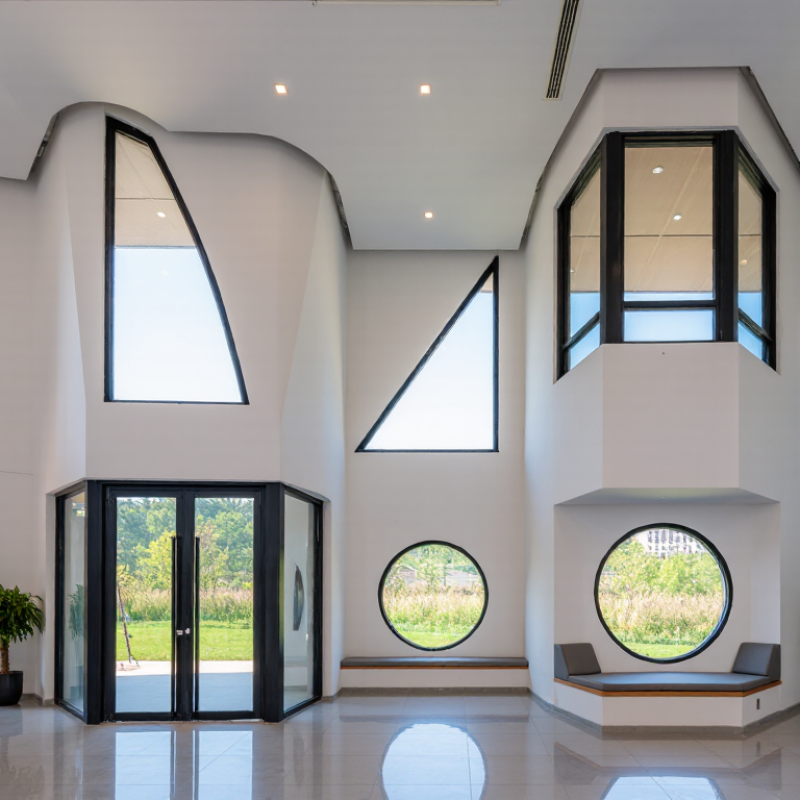
Unique Windows are more than striking features; they shape daylight, comfort, ventilation, and a building’s character. For global buyers, the right choice depends on climate, orientation, room use, and installation quality. A sculptural pivot window may suit a modern villa, while a carefully specified bay window can bring deeper daylight into a compact living room.
Performance deserves equal attention. The U.S. Department of Energy’s Energy Saver guidance estimates that heat gain and heat loss through windows account for about 25%–30% of residential heating and cooling energy use. That figure makes glazing, frame material, seals, and shading practical buying considerations—not minor details. Local conditions matter, too. A design that performs well in a mild coastal climate may need different glazing or hardware in a cold, windy region.
Building scientist Dr. Joseph Lstiburek is often associated with the blunt reminder, “Windows are holes in the wall.” The phrase captures a useful truth: every opening needs thoughtful design and careful installation. Looks matter. So does the seal.
This guide explores ten distinctive window types, from clerestory and corner windows to pivot and circular designs. Each option brings particular strengths, limitations, and maintenance needs. Some trade easy cleaning for dramatic views; others may require custom sizing or experienced installers. There is no perfect window for every project. Buyers can use these comparisons to ask better questions, review specifications, and match appearance with dependable performance.
Window choice is not only about appearance. Operation determines ventilation, reach, and maintenance. Casement windows swing outward, catching side breezes, while double-hung sashes slide vertically and suit rooms with limited exterior clearance. Awning windows hinge at the top, so they can admit air during light rain. Small difference, real daily impact. For upper floors, inward-tilting designs may simplify cleaning, though hardware and opening space need checking.
Shape and placement matter just as much. Fixed picture windows frame a view but do not open; pairing them with operable units can balance daylight and fresh air. Bay windows project outward, creating a deeper sill, while clerestory windows sit high on a wall and bring daylight without sacrificing privacy. The U.S. Department of Energy estimates that heat gain and loss through windows account for about 25–30% of residential heating and cooling energy use. That is a useful reminder: a dramatic glass area may need careful orientation and glazing selection. The National Fenestration Rating Council’s ratings report U-factor and solar heat gain coefficient, helping buyers compare products on consistent measures. Still, numbers cannot fully capture glare on a kitchen counter at 4 p.m. Measure the opening, note wind and sun exposure, and check how each sash will be cleaned. I have seen plans overlook that last detail.
Casement windows are hinged at the side and swing outward, allowing a broad opening for fresh air. Their sash can catch wind, so check local exposure and confirm there is enough clearance outside. A tight seal depends on sound hardware and careful installation, not just the window style. Small details matter.
Awning windows hinge at the top and open outward. They can admit air during light rain, though wind-driven rain may still enter.
Hopper windows work in the opposite direction: hinged at the bottom, they usually tilt inward. They suit compact spaces such as basements, but the opening may be limited and can affect furniture placement.
Sliding windows move horizontally along a track, making them useful where an outward-swinging sash would meet a walkway or screen. Track cleanliness matters; dust and grit can make operation rough over time.
For global buyers, compare tested air and water performance, frame material, glazing, and hardware suited to the project’s climate. Ratings and test methods vary by market, so ask for documentation rather than relying on appearance.
A wide opening is not always the best choice. The practical answer depends on ventilation needs, available space, and how the window will be maintained.
Tilt-and-turn, pivot, and jalousie windows offer different ways to manage fresh air. A tilt-and-turn sash can lean inward at the top for a gentler breeze, then swing open for cleaning or wider airflow. Pivot windows rotate around a central axis, making them useful where a conventional side hinge would obstruct a walkway. Jalousie windows use angled glass or louver panels. They can admit air even when opened only partway, though rain, insects, and cleaning deserve close attention.
More opening does not always mean better comfort. Wind direction, room layout, screens, and nearby buildings all affect the breeze you actually feel. The U.S. Department of Energy’s Energy Saver guidance estimates that windows account for about 25–30% of residential heating and cooling energy use. That makes air leakage and glazing performance important alongside ventilation. Ask suppliers for tested air-leakage and thermal-performance figures, not just a claimed opening angle. Check the hardware, too. Heavy pivot sashes may need careful support, while jalousie seals can be less tight than a closed compression seal. A small detail, but it matters. For a kitchen or humid room, compare the opening area with the space’s ventilation needs; an attractive window can still disappoint if its airflow path is blocked.
| Window Type | How It Opens | Ventilation Characteristics | Common Advantages | Key Considerations |
|---|---|---|---|---|
| Tilt-and-Turn | Tilts inward at the top or swings inward from a side hinge, depending on handle position. | Offers a smaller tilted opening or a wider opening for air exchange. | Two opening modes in one sash; inward opening can simplify access for cleaning. | Requires interior clearance for the swinging sash; hardware and installation need careful adjustment. |
| Pivot | Rotates around a central or offset horizontal or vertical pivot. | Can provide airflow on both sides of the opening as the sash turns. | Distinctive appearance and a large opening area in some designs. | Check sash size, opening arc, hardware capacity, and weather-sealing details. |
| Jalousie (Louvre) | Multiple narrow glass or other compatible blades rotate together within a frame. | Blade angle can be adjusted to regulate airflow while maintaining partial coverage. | Fine control of ventilation; well suited to warm climates and sheltered spaces. | Closed blades may provide less resistance to air and water than many sealed sash designs; performance depends on construction and testing. |
| Casement | A sash is hinged at the side and swings outward or inward. | Opens broadly and can catch or direct breezes depending on orientation. | Wide clear opening; compression seals are common in many designs. | Outward-opening versions need clearance from walkways, shutters, and external obstructions. |
| Awning | Hinged along the top and opens outward from the bottom. | Provides ventilation through the lower opening; the projecting sash can offer some shelter from light rain. | Useful for ventilation in locations where privacy or modest weather protection is desirable. | Rain protection is limited and depends on wind, exposure, sash angle, and installation. |
| Hopper | Hinged along the bottom and tilts inward from the top. | Creates a top opening for controlled airflow, often in lower-level or compact locations. | Can suit basements and other spaces where outward clearance is restricted. | Inward projection can use interior space; consider drainage and safe operation near floor level. |
| Horizontal Sliding | One sash slides sideways past another along a track. | Typically opens about half the frame width when one sash is movable. | Does not project inward or outward, making it practical near patios and walkways. | Track cleanliness and roller condition affect smooth operation; ventilation area is limited by the open sash section. |
| Vertical Sliding (Sash) | One or both sashes move vertically within the frame. | Opening at the top and bottom can support air movement through the room. | Compact operation with no outward projection; double-hung designs allow flexible opening positions. | Balance systems and locks need suitable maintenance; clear opening varies by configuration. |
| Bay or Bow | A group of windows projects outward from the wall; side units may be operable. | Ventilation depends on which units open, commonly casement or double-hung sections. | Adds interior depth and can combine fixed views with operable sections. | Needs structural support, careful weatherproofing, and adequate exterior space. |
| Clerestory | High-level window set above eye level, fixed or operable in various configurations. | Operable units can release warm air near the ceiling; fixed units provide daylight without ventilation. | Brings daylight into deep or high-ceilinged spaces while preserving wall space below. | High placement may require specialized controls or access for operation and cleaning. |
Buyer note: Actual ventilation, air leakage, water resistance, safety, and energy performance depend on the specific product, glazing, hardware, installation, and applicable local standards. Confirm tested performance and building-code requirements for the project location.
Bay windows project outward from a wall, creating a small pocket of space and a wider view. Their angled sides catch light from different directions, which can brighten a breakfast nook or make a compact room feel less enclosed. A deep sill can hold a few plants, though it may also collect dust and become awkward to clean. Plan the projection with furniture placement in mind; a chair that looks perfect in a drawing may block the walkway.
Bow windows use a smooth curve rather than the sharper angles of a typical bay. They often suit broad front rooms, where several glazed sections can frame a garden or street. The curved shape adds visual softness. It also calls for careful measuring, especially when matching the opening to existing walls and interior trim. More glass can mean more daylight, but it may increase glare or heat gain. Shading and suitable glazing deserve attention, not guesswork.
Clerestory windows sit high on a wall, often near the roofline. They bring daylight deep into kitchens, hallways, or living areas while keeping eye-level walls available for cabinets and art. In a tall room, a row of narrow panes can wash light across a ceiling. Privacy is a benefit. Access is not. Before choosing them, consider how the windows will be cleaned and opened, and whether nearby trees or roof overhangs will block the light. Real rooms rarely behave exactly like renderings.
A window suited to a coastal home may struggle in a mountain town. Wind-driven rain, salt spray, intense sun, and freezing nights all change what “good performance” means. The U.S. Department of Energy’s Energy Saver guidance estimates that windows account for 25–30% of residential heating and cooling energy use. That makes frame material, glazing, and airtight installation practical choices, not decorative details. Small gaps matter.
Building codes add another filter. Buyers should check local requirements for wind pressure, safety glazing, egress, and energy performance before ordering. The National Fenestration Rating Council’s ratings help compare U-factor and solar heat gain coefficient across products, though ratings do not guarantee a good installation.
A technically efficient window can still leak if flashing is poorly fitted. That detail is easy to overlook. For global projects, verify the tested configuration matches the local climate and code, rather than relying on a familiar window style.
Are you still planning to build your shipping container home this year? How about you could save up to $5,000 in delivery costs towards your project?
With the Tiny Home Expos in Brisbane, Adelaide and Canberra in the coming months, we are offering FREE DELIVERY (*up to $5000) to each state the Expo is in, in exchange with using your project as a display at the show. Offer expires 8 weeks before each Expo and limited to ONE project per Expo ONLY so reach out to us now to secure your spot!
Enquire Now