What Is a 10 Foot Shipping Container?

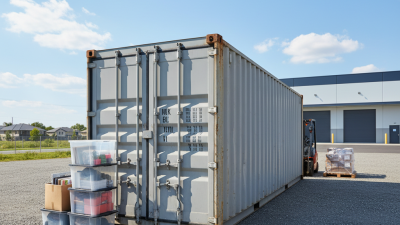
A 10 foot shipping container is the smallest common ISO-style container used for secure cargo transport and compact storage. It usually measures about 10 feet long, 8 feet wide, and 8 feet 6 inches high. Exact dimensions can vary by manufacturer, so buyers should check the specification plate.

Dr. Jean-Paul Rodrigue, a respected transportation geography scholar, describes containerization as “a system of freight distribution using containers.” That idea explains the container’s value. A 10 foot shipping container can move by truck, ship, or rail without unloading every box inside. Its steel walls protect tools, equipment, furniture, and packaged goods from rain and handling damage. A standard model may include rear cargo doors, forklift pockets, and a timber floor. Some versions add ventilation, lockboxes, or side doors.

It is compact. That matters on crowded job sites, farms, retail properties, and urban projects. A 10 foot shipping container can fit where a 20 foot unit feels excessive. However, smaller does not always mean cheaper. Delivery distance, crane access, condition, insulation, and local handling fees can change the final cost. Interior space also disappears quickly when pallets or shelving are added. That detail is easy to underestimate.

This guide examines sizes, capacities, materials, security features, transport limits, and practical buying considerations. It also questions a common assumption: every “10 foot” container is identical. It is not. Standards help, but inspection remains essential. A clean exterior may hide floor damage, corrosion, or difficult door seals. Careful measurement protects the budget.
What Is a 10 Foot Shipping Container?

Definition and Core Features of a 10-Foot Shipping Container

What Is a 10 Foot Shipping Container?

Definition and Core Features of a 10-Foot Shipping Container

A 10-foot shipping container is a compact steel unit designed to protect and move cargo. Its name refers to the approximate external length. Most standard units measure about 10 feet long, 8 feet wide, and 8 feet 6 inches high. Interior dimensions are smaller because of insulated walls, flooring, and door hardware. Usable capacity often falls near 15 cubic meters, but construction differences matter.

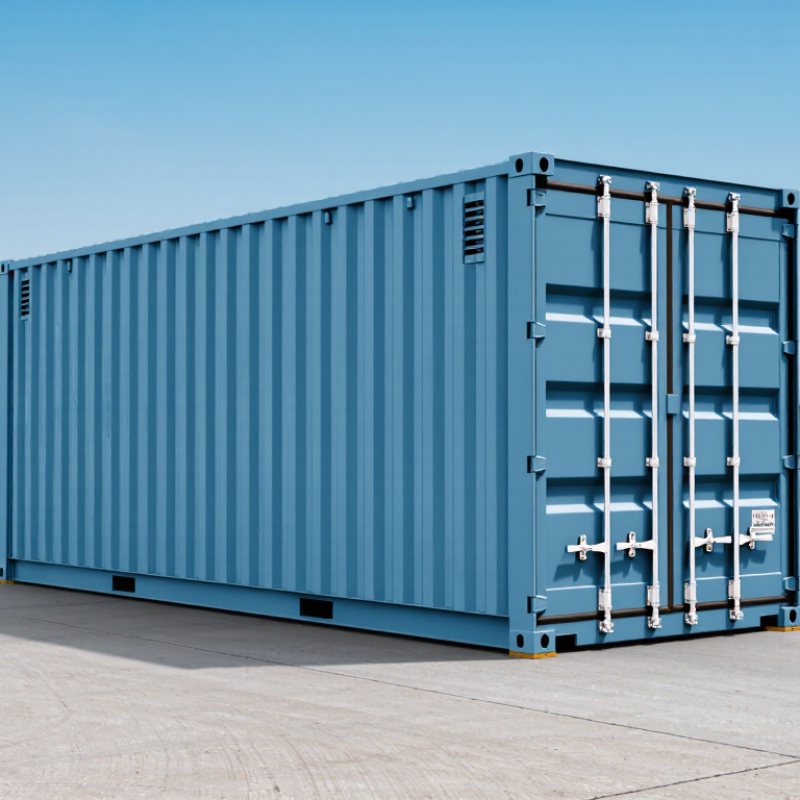
Built for demanding transport conditions, the container usually has weather-resistant steel walls, reinforced corner posts, and a strong wooden floor. Corrugated panels add stiffness without making every section excessively heavy. Double cargo doors open across one short end. Locking rods help secure the doors, while ventilation openings reduce trapped moisture. Some units include side doors, lighting, or insulation, but these features are not universal.

Small footprint. Practical storage.

In real use, the 10-foot format suits tools, household items, spare parts, and smaller project loads. It can fit beside a building where a longer container cannot. However, a compact exterior does not guarantee easy placement. Delivery access, ground strength, door clearance, and lifting equipment still require careful checking. Payload limits also vary by design and condition. Before loading, inspect the floor, door seals, corner castings, and identification plate. I have found that simple measurements are often more useful than assumptions. A container may look ready, yet a bent door or damp floor can change the entire plan.

What Is a 10 Foot Shipping Container? - Definition and Core Features of a 10-Foot Shipping Container

Data Dimension Typical Specification Practical Description
Definition A compact intermodal freight container Designed for transporting, storing, and handling cargo by road, rail, and sea.
Nominal external dimensions 10 ft L × 8 ft W × 8 ft 6 in H
Approx. 3.05 m × 2.44 m × 2.59 m
The standard footprint is approximately half the length of a 20-foot container.
Typical internal dimensions Approx. 9 ft 2 in L × 7 ft 8 in W × 7 ft 10 in H
Approx. 2.80 m × 2.35 m × 2.39 m
Internal measurements vary according to the container manufacturer, construction, and lining.
Internal volume Approximately 15.5–16.0 m³
Approximately 547–565 ft³
Suitable for compact equipment, household items, tools, stock, and small commercial loads.
Floor area Approximately 6.6 m²
Approximately 71 ft²
Provides a compact storage area while using less ground space than longer container formats.
Door opening Approx. 7 ft 8 in W × 7 ft 5 in H
Approx. 2.34 m × 2.28 m
The usable opening is smaller than the external width and height because of the door frame and seals.
Typical tare weight Approximately 1,300–1,500 kg
Approximately 2,866–3,307 lb
Tare weight is the empty container weight and varies with materials, flooring, doors, and fittings.
Typical maximum gross weight Up to approximately 10,160 kg
Up to approximately 22,400 lb
The permitted gross weight must be confirmed from the container's safety approval plate and transport regulations.
Typical payload capacity Approximately 8,600–8,900 kg
Approximately 18,960–19,620 lb
Payload is calculated by subtracting tare weight from the permitted maximum gross weight.
Construction Weather-resistant steel body with a steel or timber floor The structure is built to withstand repeated handling and exposure to outdoor conditions.
Cargo access Usually one end with double doors Double doors allow forklifts, pallets, boxed goods, and bulky items to be loaded from the end.
Security features Locking bars, steel doors, and provision for an external lock Additional padlocks, lockboxes, alarms, or internal security systems may be installed where required.
Common uses Storage, short-distance freight, site equipment, tools, and inventory Its small footprint is useful where space is limited or a full 20-foot container would be excessive.
Important specification note Dimensions and weight limits are not universal Always verify the actual external dimensions, internal volume, tare weight, payload, door opening, and certification plate before transport or installation.

Standard Dimensions, Weight, and Capacity

What Is a 10 Foot Shipping Container?

Standard Dimensions, Weight, and Capacity

A 10-foot shipping container usually measures 10 feet long, 8 feet wide, and 8 feet 6 inches high externally. Metric measurements are approximately 2.99 meters by 2.44 meters by 2.59 meters. Internal dimensions are smaller, often about 2.84 meters long, 2.35 meters wide, and 2.39 meters high. Door openings can be narrower than the interior width. Measure the doorway.

Its internal volume is commonly near 16 cubic meters, although corner posts, wall panels, and doors reduce usable space. The empty weight, or tare weight, often ranges from 1,300 to 1,500 kilograms. Payload capacity may reach about 8,500 kilograms, depending on the container’s design and certification. Weight matters. A container filled with dense materials can reach its limit before looking full.

In practical planning, lightweight cartons use the space efficiently, while machinery may waste large areas around its frame. A pallet can also need extra clearance for loading equipment. I have found that published dimensions are useful, but not perfect. Manufacturing tolerances and floor thickness can change the actual figures. Check the door plate, inspection documents, and transport limits before loading. These details are easy to overlook. A simple drawing may look generous, yet the real loading space can feel surprisingly tight.

Common Uses for 10-Foot Shipping Containers

A 10-foot shipping container offers compact, secure space for projects that do not need a standard 20-foot unit. Its smaller footprint fits narrow yards, construction sites, farms, and urban properties. Internal space usually measures about 6.5 cubic metres, depending on the manufacturer and wall thickness. That difference matters when access is limited.

Common uses include storing tools, spare parts, seasonal equipment, and boxed inventory. Contractors often place one beside a renovation site for cables, fittings, and hand tools. Small businesses may use it as a temporary stockroom, archive, or secure delivery point. It can also protect lawn equipment from rain and reduce clutter inside workshops. Keep the floor dry. Condensation remains a real problem.

UNCTAD’s Review of Maritime Transport 2024 reported global seaborne trade of approximately 12.3 billion tonnes in 2023. This scale shows why standardized containers remain central to modern logistics. Yet a 10-foot unit is not ideal for every shipment. It may waste handling capacity when goods are bulky, while a 20-foot container could offer better value. The World Bank’s Logistics Performance Index 2023 also emphasizes reliable tracking, infrastructure, and timely delivery. For that reason, users should check vehicle access, loading equipment, ventilation, and local placement rules before hiring. Small containers seem simple. Planning is not.

Materials, Construction, and Security Features

A 10-foot shipping container is compact, but its construction follows demanding transport standards. Most units use weather-resistant steel panels, reinforced corner posts, and heavy steel doors. The steel shell resists rain, wind, and everyday impacts. However, surface rust can develop around scratches, seams, and door edges. Regular inspection matters.

The floor usually combines treated timber with a strong steel frame. This structure supports stored loads while keeping the container stable during lifting. Interior walls may show condensation during temperature changes. Ventilation openings reduce moisture, but they cannot solve every climate problem. Security depends on more than a strong shell. Factory door locks, welded hinges, and a protected lock area help discourage unauthorized access. A quality padlock adds another layer. Still, no container is perfectly secure. Poor placement can weaken good security.

Tips: Place the container on firm, level ground with drainage. Check the roof after heavy weather. Keep hinges clean and inspect the door seal for gaps. Store heavier items low and distribute weight across the floor. Do not block ventilation openings. A lock shield can protect the padlock from cutting tools, though it may complicate daily access. Measuring the doorway before delivery is also wise. Small containers often feel surprisingly tight.

Advantages, Limitations, and Buying Considerations

What Is a 10 Foot Shipping Container?

A 10-foot shipping container is a compact steel storage unit, usually about ten feet long. It offers secure space without the footprint of a standard larger container. Many units include cargo doors, timber flooring, ventilation openings, and lockable handles. Their smaller size can simplify placement beside a workshop, home, or narrow access road.

The main advantage is flexibility.

A 10-foot unit often fits where longer containers cannot. Delivery may also require less yard space for positioning. It can store tools, seasonal equipment, documents, or household items. That matters in crowded locations. However, internal space is limited. Bulky machinery may not fit through the doors. Stacking boxes can also make access awkward. Used containers may show dents, floor wear, surface rust, or imperfect door seals. Small does not mean maintenance-free.

Buying decisions should begin with measurements.

Check external and internal dimensions, door width, payload rating, and the delivery vehicle’s access route. Inspect the roof, corner posts, hinges, floor, and underside carefully. Ask for recent photographs, repair records, and confirmation that the container is weather-resistant. A unit that looks cheap may need repainting, flooring repairs, or seal replacement. Delivery costs can also exceed expectations when cranes, restricted roads, or difficult ground are involved. Local planning rules may apply, even for temporary placement. My checklist is not flawless, so an independent inspection remains sensible before payment.

ENQUIRE NOW
close
Get In Touch

Use the form below to drop us an email if you have any question or comments.